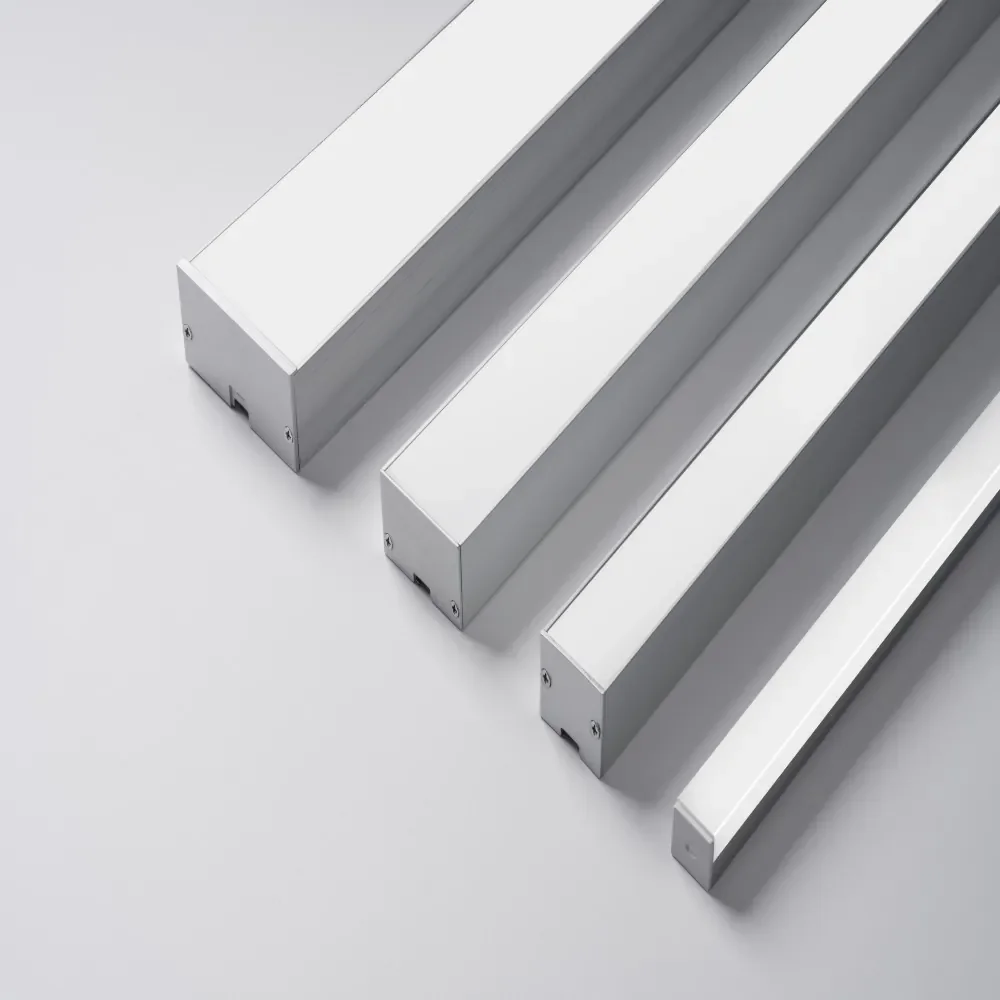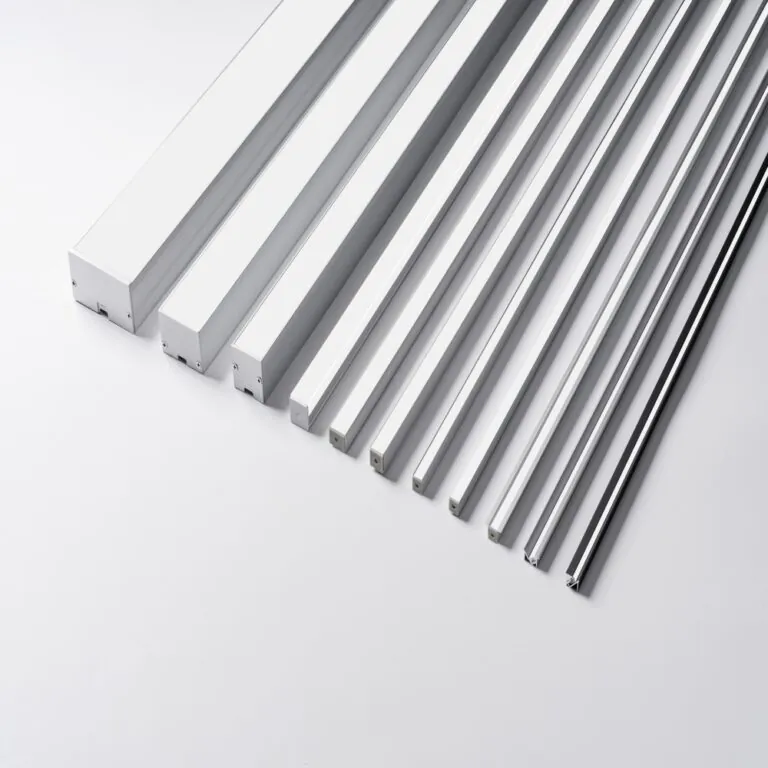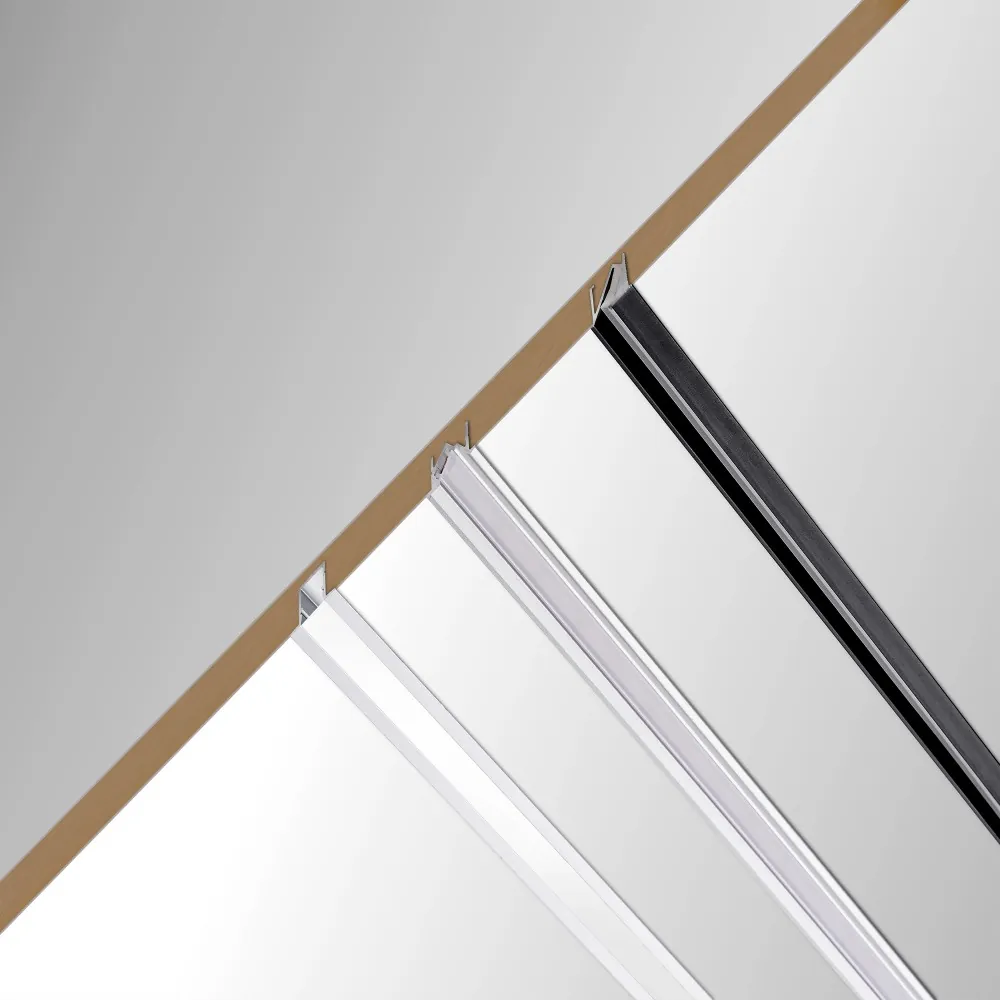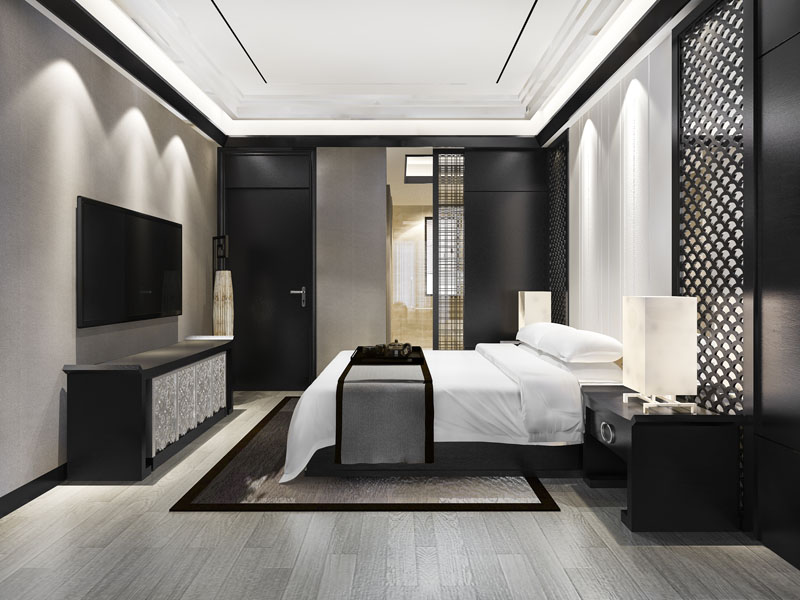
In commercial lighting projects, planners often need to balance electrical stability, visual continuity, and long-term maintenance planning. Linear lighting systems are widely used in architectural interiors because they can integrate into ceilings, walls, and display structures with consistent brightness distribution.
At Aiyu, we focus on engineering-driven solutions for B2B clients, supporting structured lighting deployment across different project scales and installation environments.
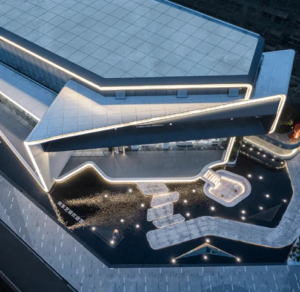
Planning Commercial led strip lighting for Interior Projects
When designers evaluate continuous linear illumination, installation environment and load conditions are usually the first considerations. Led strip lighting is often selected for its flexibility in architectural integration, especially in corridors, retail shelves, and hotel ceilings where seamless light lines are required without visible interruptions.
System Stability Considerations in Linear Lighting Design
In real engineering applications, voltage drop and heat accumulation are two key issues that affect long-distance lighting consistency. At Aiyu, we design system configurations that allow contractors to plan power injection points in advance, reducing uneven brightness across long installation runs.
Procurement Planning and Specification Alignment
For procurement teams, material consistency across batches is essential when deploying lighting in large projects. Led lighting manufacturer selection becomes a key decision factor, especially when the same lighting appearance must be maintained across multiple floors or buildings in one project.
Thermal Management and Installation Environment Factors
Lighting systems embedded in enclosed architectural structures often face heat dissipation limitations. Without proper ventilation planning, LED components may experience performance variation over time. In many commercial installations, aluminum profiles are used to improve thermal balance and extend operational consistency.
Electrical Configuration and Driver Compatibility
Driver selection influences not only brightness stability but also dimming performance in commercial environments. Inconsistent driver matching can lead to flicker issues or reduced lifespan in continuous lighting systems. Proper specification alignment helps reduce these risks during large-scale deployment.
Project-Level Customization in Manufacturing Support
At Aiyu, we operate as a led lighting manufacturer supporting OEM and ODM requirements for commercial clients. Our production system allows adjustments in PCB layout, strip density, and waterproofing grades depending on project requirements such as hospitality, retail, or residential architecture.
Material Structure and Optical Design Factors
Optical diffusion layers and PCB substrate quality directly affect how uniform the light output appears in architectural spaces. In practical applications, designers often evaluate beam consistency to ensure lighting does not create visible hotspots in reflective surfaces or polished interior materials.
Installation Efficiency in Large-Scale Projects
Contractors often prioritize installation speed when managing multi-zone lighting projects. Modular design of lighting strips helps reduce on-site cutting and adjustment work. This improves coordination between electrical teams and interior construction schedules in phased delivery projects.
Energy Planning and Long-Term Operation Considerations
Energy efficiency planning is becoming an essential part of commercial lighting design. Instead of focusing only on initial installation cost, project owners increasingly evaluate long-term operating stability, maintenance cycles, and replacement accessibility when selecting lighting systems.
Quality Control and Production Process Management
Manufacturing consistency plays a direct role in ensuring lighting performance uniformity across different batches. At Aiyu, production processes include multi-stage inspection covering soldering quality, adhesive stability, and photometric testing before shipment to project contractors.
Application Insights from Engineering Practice
From our project experience, architectural lighting often requires coordination between design teams and electrical contractors to avoid misalignment during installation. Clear specification documentation helps reduce rework and ensures lighting systems perform as intended in real building environments.
Procurement Risk Control in Bulk Purchasing
When sourcing from a led lighting manufacturer, procurement teams typically evaluate certification consistency, delivery stability, and customization capability. These factors help reduce project delays and ensure that lighting components match design requirements across all installation stages.
They also review production capacity, quality management procedures, and communication efficiency to determine whether a supplier can support long-term commercial projects. Stable batch consistency and reliable delivery schedules are especially important when projects are completed in multiple phases or across different locations.
System Integration from Aiyu Product Platform
On our official platform, we provide lighting solutions designed for commercial environments including strip lighting, rigid linear modules, and outdoor engineering systems. These products are developed to support structured installation and scalable project deployment across different architectural scenarios.
Our product portfolio also includes solutions for 12V, 24V, and 220V applications, allowing engineers to select appropriate systems according to project requirements. We focus on compatibility between lighting products and commercial control systems, helping simplify system integration for contractors and project designers.
Structural Lighting Coordination and Project Delivery
In many commercial developments, lighting systems must align with ceiling structures, furniture layout, and architectural geometry. Proper coordination during the design stage helps reduce conflicts during installation and ensures consistent visual output across interconnected spaces.
We work closely with project partners to review installation details, wiring routes, and mounting conditions before production begins. This planning process helps improve construction efficiency, supports accurate implementation of lighting designs, and reduces the need for onsite modifications during project delivery.
Conclusion: Practical Planning for Reliable Linear Lighting Systems
Successful commercial lighting projects rely on structured planning, accurate specification matching, and stable manufacturing support. At Aiyu, we work with project teams to align lighting system design with real installation conditions, helping improve coordination between procurement, engineering, and construction phases while maintaining consistent performance across large-scale deployments.