Installing LED lighting strips may appear simple, but the final result depends heavily on how each step is handled. Incorrect cutting, unstable connections, or poor mounting preparation can lead to uneven lighting, loose installation, or unnecessary rework.
A successful installation is not only about attaching a strip to a surface. It requires careful planning, accurate handling, and attention to details that affect both appearance and reliability.
Different installation environments can create different requirements for LED strip projects. We at Aiyu work with customers to understand these conditions and provide suitable lighting solutions for decorative applications, commercial displays, and customized installations, helping achieve reliable results through proper installation practices.
Preparation Before Installation Determines the Final Lighting Result
Good installation begins before the strip is cut or mounted. Measuring the installation area, confirming the required strip length, and planning the power connection points can prevent problems later in the process.
The installation surface also needs attention. Dust, oil, moisture, or uneven surfaces may reduce adhesion and affect how securely the strip stays in place. Cleaning the mounting area before installation creates a more stable foundation.
Power planning is another important step. The selected power supply should match the strip requirements, and installers should consider where wiring will be positioned. A clear layout makes the installation process smoother and reduces unnecessary adjustments.
Testing the strip before final mounting is also recommended. Checking the lighting condition and connections before fixing everything in place makes it easier to identify problems early.
Cutting LED Strips Correctly Starts With Understanding Cut Points
One of the most common installation mistakes is cutting LED lighting strips in the wrong location. LED strips are designed with specific cutting points, usually marked by copper pads or cutting indicators along the strip.
Cutting outside these marked areas can interrupt the circuit and prevent the remaining section from working correctly. Installers should always identify the correct cutting location before using scissors or cutting tools.
A clean cut is also important. Using a suitable cutting tool and keeping the strip flat during the process helps avoid damage to the internal structure.
After cutting, the exposed end should be handled according to the product design and installation environment. Waterproof models may require additional protection after cutting to maintain their intended characteristics.
Understanding the strip structure before modification allows installers to use the product more efficiently while reducing material waste.
Connecting Strip Sections Requires Attention to Alignment and Stability
Connecting multiple sections of LED lighting strips requires more than simply joining two pieces together. The electrical contact points must align correctly to maintain consistent lighting.
Different connection methods may be suitable depending on the project requirements. Connector accessories can provide a convenient solution for certain installations, while soldered connections may be preferred where stronger and more permanent joints are needed.
Polarity is another detail that should not be overlooked. Incorrect alignment between positive and negative contacts may prevent the strip from operating properly.
Professional installers usually test each connection before completing the final installation. This step helps confirm that every section works correctly before the strip is hidden behind panels, profiles, or decorative structures.
A properly connected strip creates a more consistent lighting effect and reduces maintenance issues after installation.
Mounting Methods Influence Both Appearance and Long-Term Performance
The mounting method directly affects how the finished lighting system looks and functions. A strip that is not properly secured may shift over time, creating uneven lines or visible gaps.
For simple installations, adhesive backing may provide a convenient mounting option when the surface is clean and suitable. However, more demanding projects may require additional mounting solutions to improve stability.
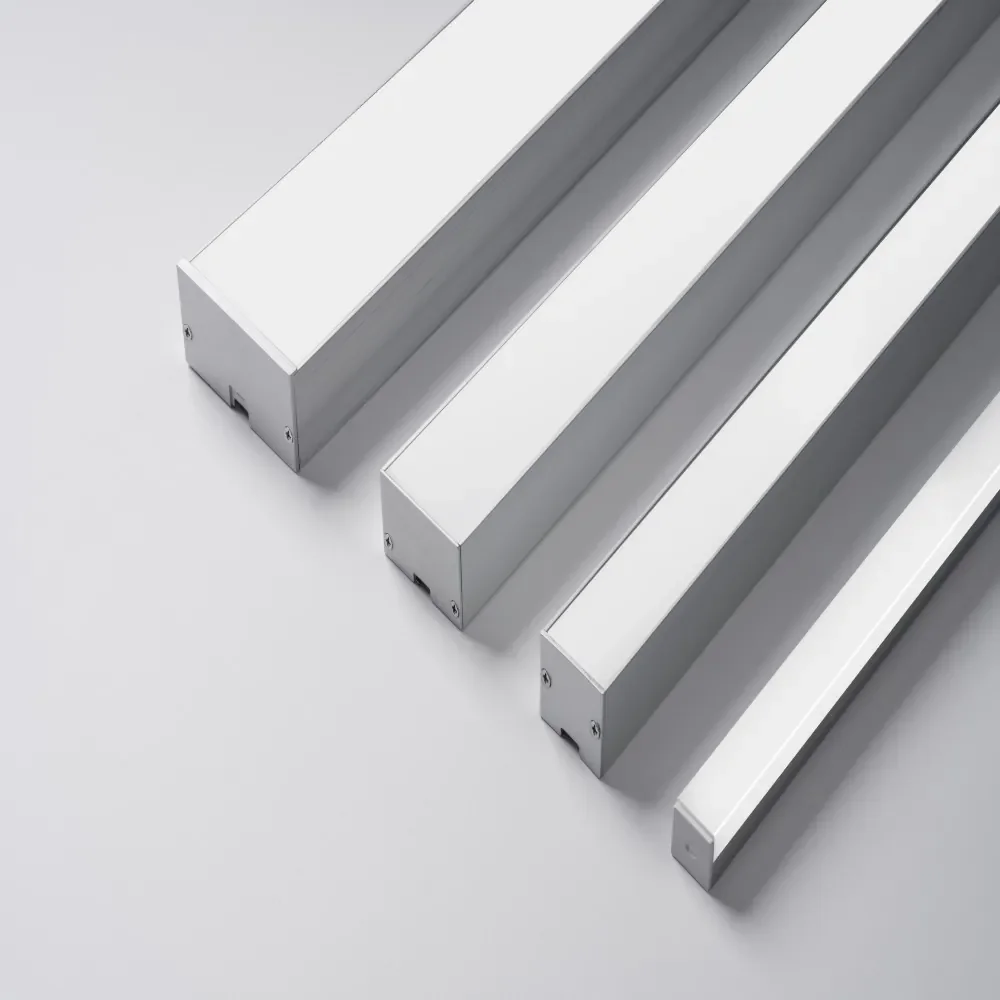
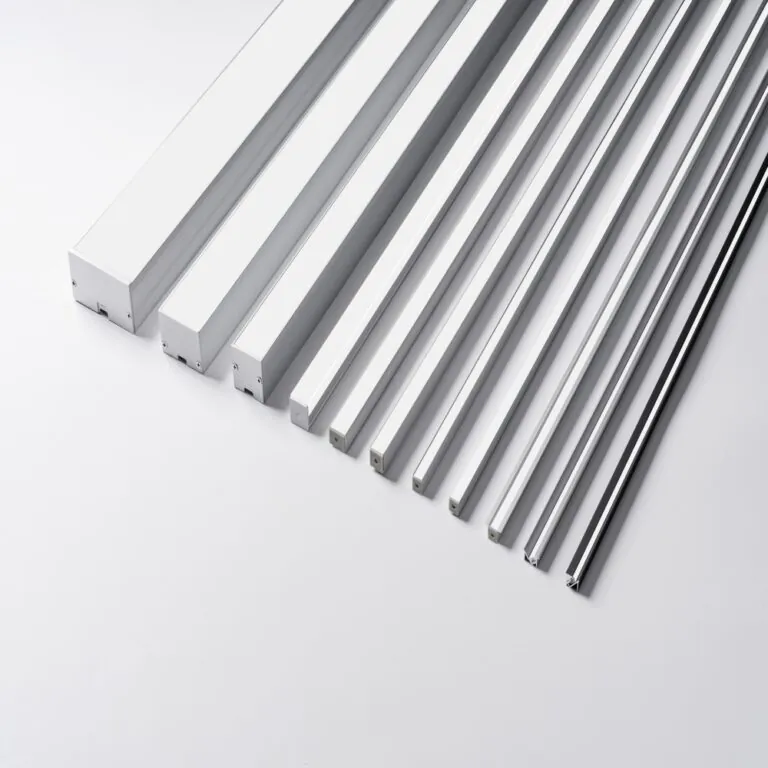
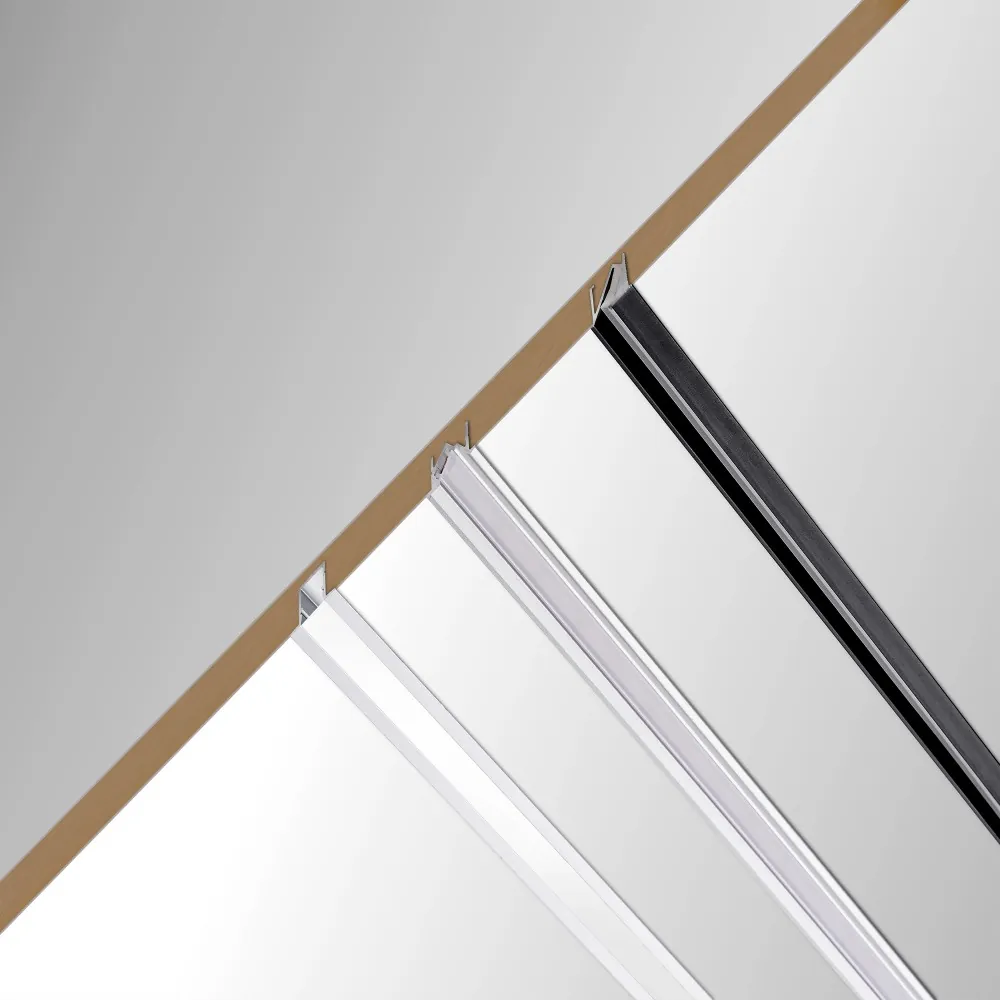
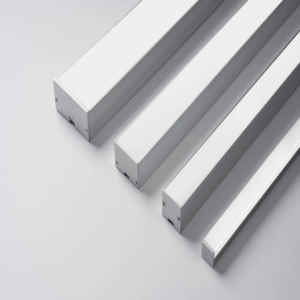
Aluminum profiles are often considered for professional installations because they provide a structured mounting surface and can improve the overall appearance of linear lighting designs. They also help create a more finished look by protecting the strip and supporting cleaner light distribution.
The installation environment should always influence the mounting decision. Areas exposed to frequent contact, vibration, or environmental changes may require more secure fixing methods compared with decorative indoor applications.
Creating Reliable LED Strip Installations Through Proper Execution
A well-installed LED lighting system depends on careful execution at every stage. Correct measurement, precise cutting, reliable connections, and suitable mounting methods work together to create a professional result.
Installers and project teams should treat each step as part of the overall lighting design rather than separate tasks. Small mistakes during preparation or connection can affect the appearance and usability of the finished installation.
We at Aiyu work closely with customers to provide LED lighting solutions that match different project needs, offering support throughout product selection and installation planning. We aim to help businesses achieve effective lighting results through dependable products and practical project guidance.
A successful lighting installation depends on more than choosing the right LED lighting strips. Careful cutting, connection, and mounting practices play an essential role in achieving the expected appearance and maintaining stable operation over time.