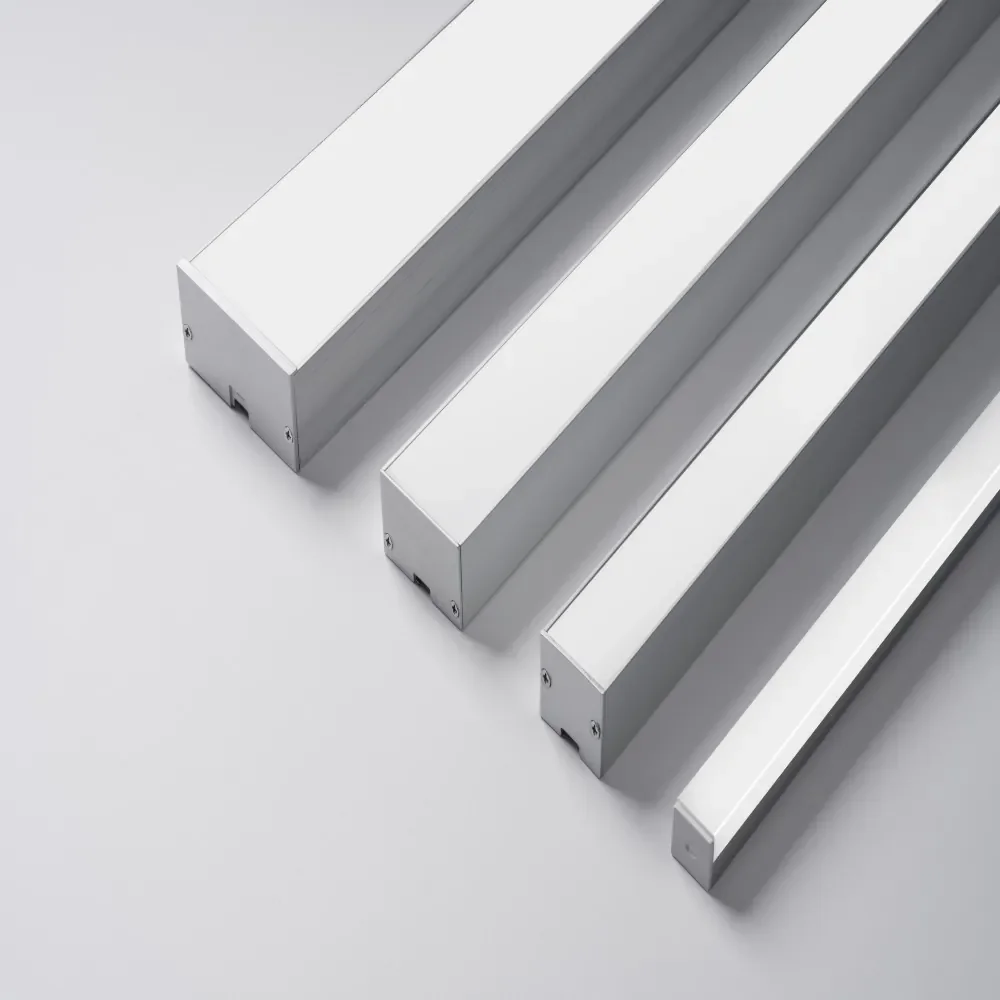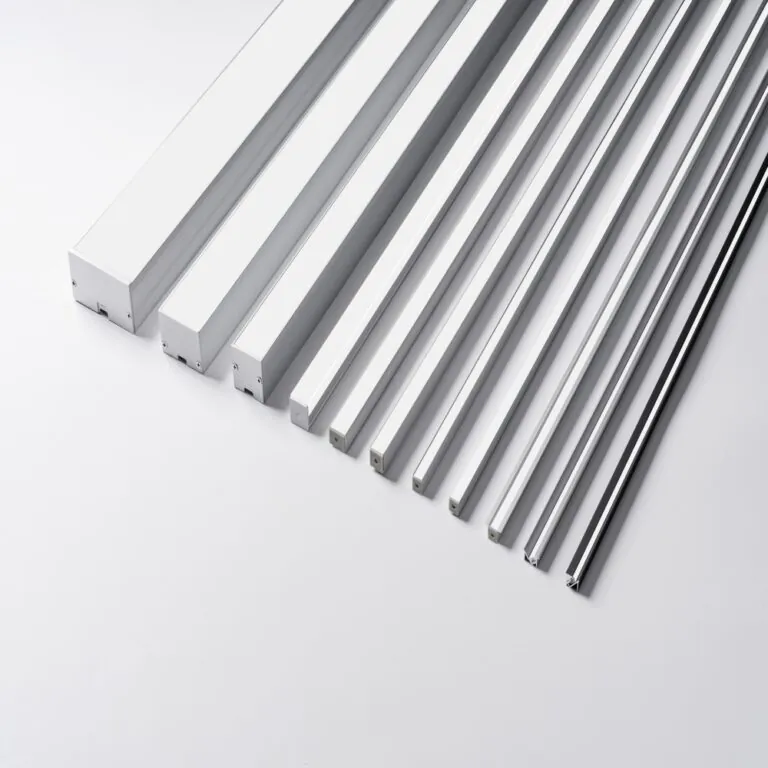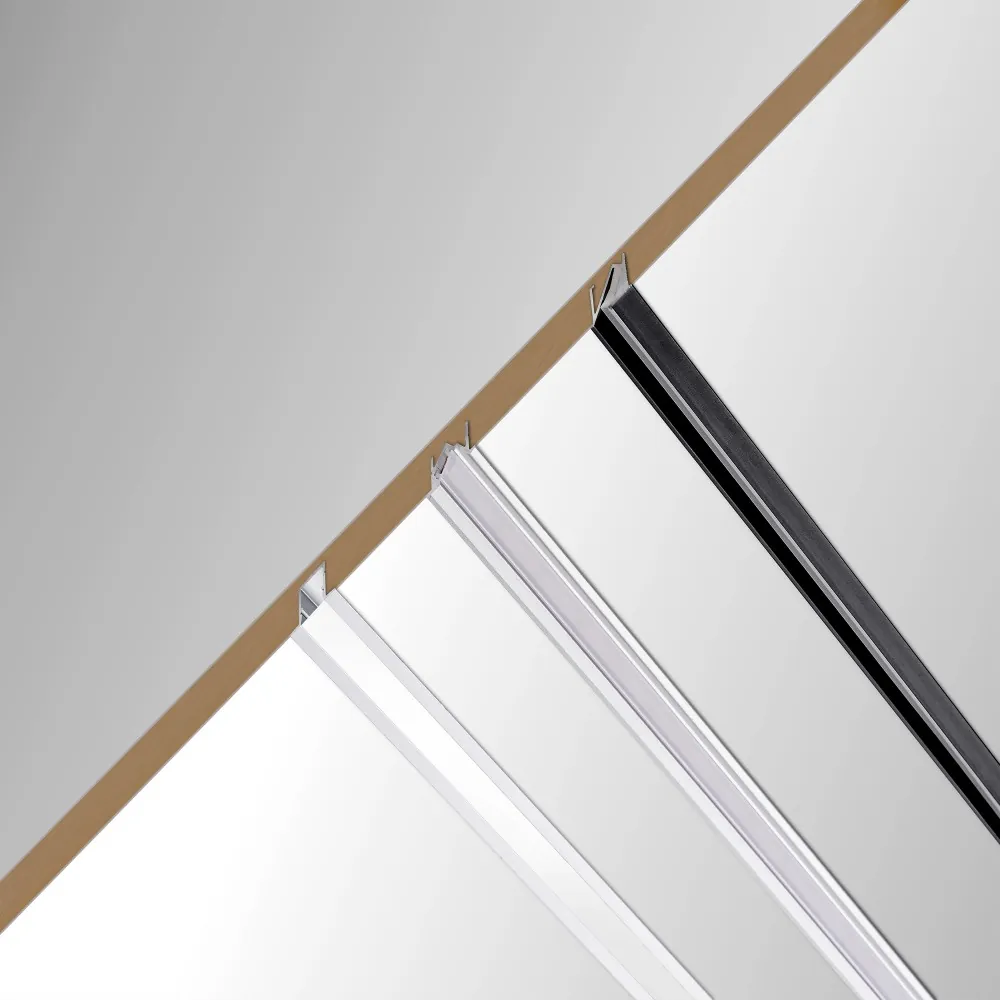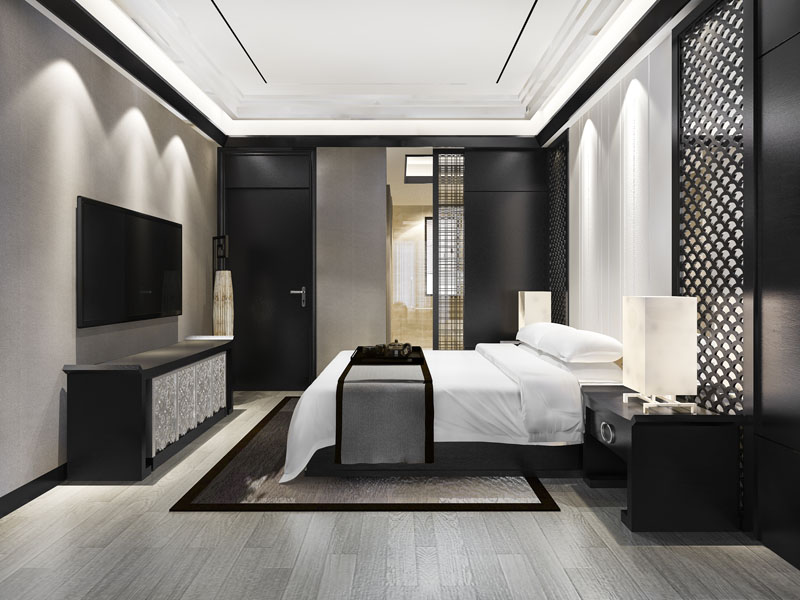
A lighting project rarely begins with a product name alone. Designers, contractors, and brands usually start with a specific requirement: a certain installation length, a particular atmosphere, or a lighting effect that must fit a defined space.
Standard lighting products can solve many common applications, but they may not always match unique project conditions. A strip that is too long, produces the wrong color appearance, or lacks the required configuration can create additional adjustments during installation.
Customized LED lighting strips provide a way to align the product with the actual needs of a project. Instead of adapting the space around a fixed product, customization allows the lighting solution to be developed around the intended application.
Why Standard LED Strips May Not Fit Every Lighting Project
Commercial and architectural lighting environments often include different structural limitations. A retail display, hotel interior, residential feature wall, or decorative installation may require lighting that follows specific dimensions or design concepts.
Using a standard product can sometimes create unnecessary compromises. Installers may need to cut, reposition, or combine multiple sections to achieve the desired result. These adjustments can affect installation efficiency and the overall appearance of the finished project.
Customization addresses these challenges by considering the product requirements before manufacturing begins. The manufacturer can evaluate the project conditions and develop a solution that better matches the intended use.
At Aiyu, we work with customers who need lighting products developed around specific application requirements. Our product range includes flexible LED solutions designed for different project scenarios and customization needs.
Length Customization Starts With Understanding Installation Requirements
Physical dimensions are one of the first factors considered in a customized lighting project. Different spaces require different strip lengths, and accurate planning helps reduce unnecessary connections or installation adjustments.
A customized approach allows the lighting manufacturer to consider how the product will be installed rather than treating length as an isolated specification. The required size may depend on the shape of the installation area, the position of power sources, and the desired lighting layout.
For large commercial projects, consistent sizing can also simplify installation management. Pre-planned lengths can reduce on-site modification work and help installers maintain a cleaner final appearance.
Beyond length, product structure may also need to match installation conditions. Narrow spaces, curved surfaces, or integrated lighting profiles can require specific design considerations before production.
Color Temperature Selection Shapes the Final Lighting Experience
Length determines where light is installed, but color temperature influences how the space feels. Different environments require different visual effects, and selecting the appropriate color characteristics is an important part of customization.
Warm lighting is often associated with comfortable and relaxing environments, while cooler lighting may support spaces that require a cleaner or more focused appearance. The correct selection depends on the purpose of the area rather than a single universal preference.
Customized LED lighting strips allow project teams to define the lighting characteristics needed for their application. Instead of choosing a product based only on availability, customers can develop a solution that supports the intended atmosphere and design direction.
Color consistency is also important for projects using multiple lighting sections. A customized production process helps maintain a more uniform appearance across the final installation.
Turning Custom Requirements Into a Manufacturable Product
A successful customized lighting project requires communication between the customer’s requirements and the manufacturer’s production capabilities.
The process usually begins with understanding the application environment, including installation location, desired visual effect, and operating conditions. These details help determine the appropriate product structure and technical approach.
Manufacturers then evaluate how the requested features can be produced consistently. Custom length, lighting characteristics, and product configurations need to be balanced with manufacturing processes to create a reliable final solution.
At Aiyu,we support customized LED product development by connecting customer requirements with practical manufacturing methods. Through communication during development, we help transform project ideas into solutions that are suitable for real-world installation conditions.
Customization is not simply about changing one product feature. It involves coordinating multiple elements so that the final lighting system performs according to the project’s purpose.
Creating Project-Specific LED Strip Solutions With Aiyu
Customized lighting solutions allow businesses to move beyond standard product limitations and create products that better match their customers’ expectations. From physical dimensions to lighting characteristics, every adjustment contributes to how effectively a product fits its intended environment.
Supporting customized lighting projects requires a balance between customer expectations and manufacturing capability. At Aiyu, we combine product development experience with flexible production support to help partners create LED solutions that match specific application requirements.
Developing customized LED lighting strips involves more than modifying a standard product. A clear understanding of design goals, installation conditions, and production processes allows businesses to achieve solutions that are easier to implement and better suited for their target markets.