Commercial lighting is expected to do more than simply provide brightness. Offices need comfortable working environments, retail stores need attractive product displays, and hospitality spaces need consistent visual experiences. However, many commercial lighting systems consume more energy than necessary because they illuminate entire areas without considering where light is actually required.

The efficiency challenge is not only related to the light source itself. It is also connected to how lighting is distributed, controlled, and integrated into the building environment. We focus on helping commercial projects achieve more targeted illumination through flexible lighting solutions, including low voltage LED strip systems designed for different architectural and decorative applications.
Commercial Lighting Efficiency Depends on More Than Light Output
A commercial space can waste energy when lighting fixtures provide excessive illumination in areas that do not require continuous high brightness. Large ceiling fixtures, for example, may create general lighting across an entire room even when only specific sections need stronger visual emphasis.
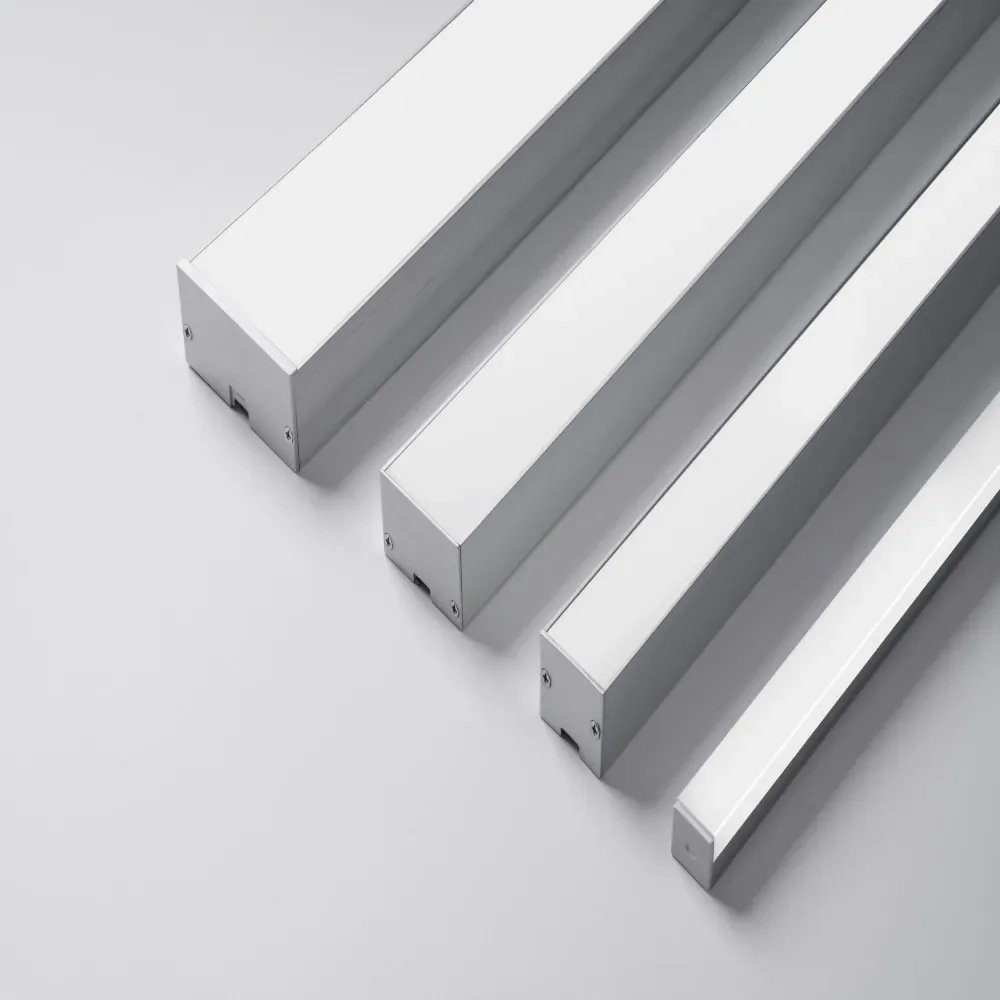
Linear lighting changes this approach by allowing designers to place light closer to the actual application point. Shelving, counters, ceilings, wall details, and display structures can receive dedicated illumination without increasing the lighting load throughout the whole space.
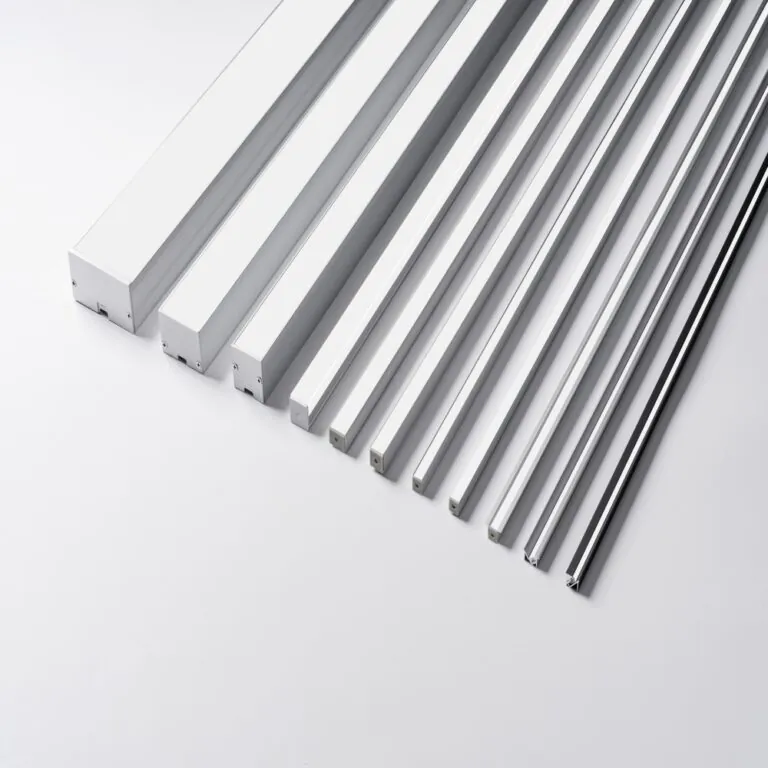
This is where low-voltage LED strip solutions can provide practical value. Their flexible format allows lighting designers to create focused lighting layouts instead of relying only on broad-area fixtures. A display area can receive sufficient brightness while surrounding spaces maintain appropriate lighting levels.
Energy efficiency improves because the lighting system is designed around the purpose of each area. Commercial buildings can avoid using unnecessary power simply to achieve a visual effect that could be created through better placement.
How Low Voltage LED Strips Improve Power Usage at the System Level
The electrical structure of a lighting system affects how efficiently energy is delivered. Low voltage LED strips operate through a compatible power supply that converts incoming electricity into the required DC voltage for the strip system.
This configuration supports more flexible power distribution, especially in projects where lighting needs to be installed across different areas or integrated into customized architectural features. Rather than installing oversized fixtures, project teams can create smaller lighting sections based on actual requirements.
LED strip lights low voltage products are often selected for commercial projects because they allow designers to build lighting systems with greater control over placement and configuration. A properly designed system can reduce unnecessary output by matching lighting sections with specific functional zones.
The efficiency benefit comes from the complete system design. The LED strip, power supply, installation method, and control strategy must work together. A suitable electrical setup helps maintain stable operation and prevents energy from being wasted through poorly planned lighting arrangements.
Why Precise Installation Locations Reduce Unnecessary Energy Consumption
Commercial spaces frequently include areas where lighting serves a specific purpose rather than general visibility. Product displays, architectural edges, signage areas, and decorative structures often need targeted illumination.
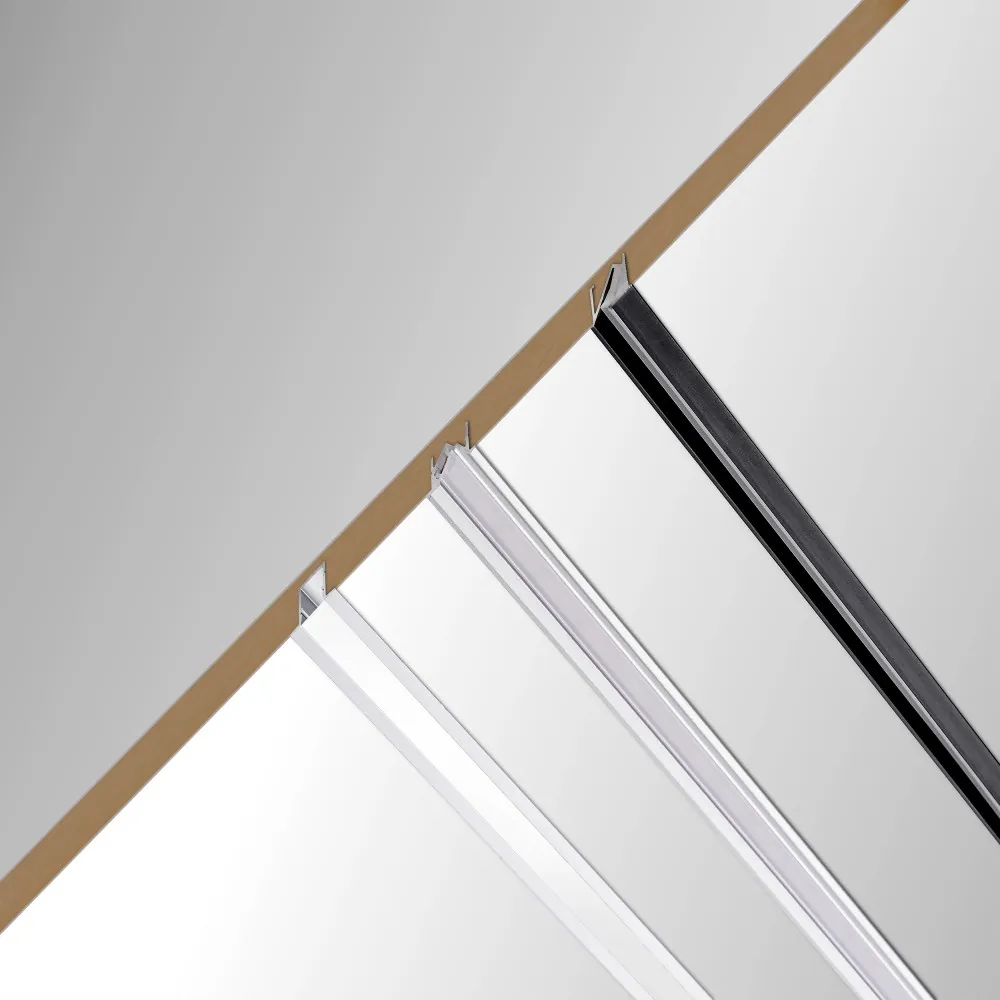
Traditional approaches may require additional fixtures to achieve the same visual impact. Low voltage strip lighting provides another option by fitting into narrow spaces and delivering light exactly where it contributes value.
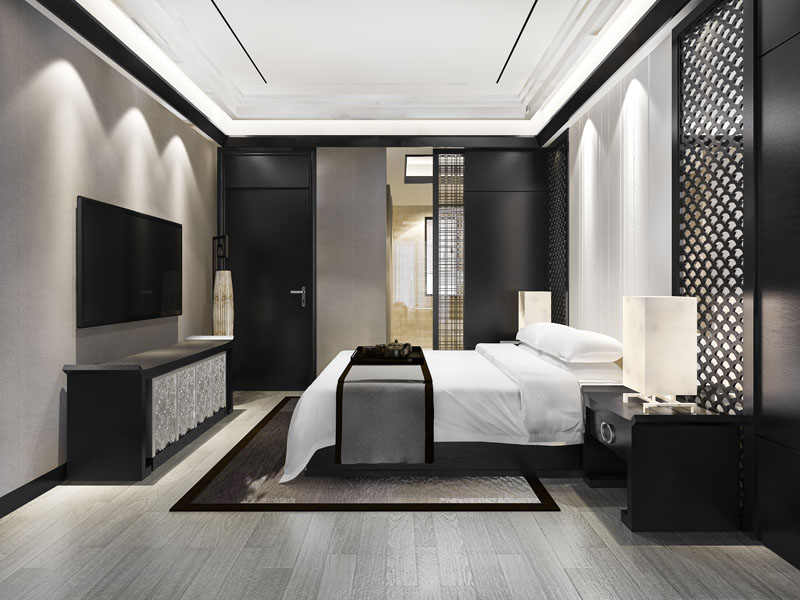
For example, a retail store can highlight merchandise without increasing the brightness of the entire sales floor. A hotel can emphasize interior details without operating additional large fixtures throughout the building.
This precision reduces the difference between the amount of light produced and the amount of light actually needed. The closer the lighting source is positioned to the intended area, the less energy is spent creating unwanted illumination.
At Aiyu, we develop low voltage strip solutions that support flexible installation approaches for commercial lighting environments. These systems can be integrated into various designs where efficient placement is an important project requirement.
How Commercial Projects Use Low Voltage Strips to Balance Design and Efficiency
Energy efficiency does not mean reducing the visual quality of a commercial space. Modern projects often require lighting that supports branding, customer experience, and architectural appearance while maintaining reasonable operating costs.
Low voltage strip systems help achieve this balance because they can be incorporated into different design elements without requiring large visible fixtures. Lighting designers can create indirect illumination, accent effects, and decorative highlights while keeping the system focused on specific purposes.
In commercial environments with changing activity levels, flexible lighting layouts can also support different operating conditions. Areas that require strong illumination during business hours may not need the same output during quieter periods.
The ability to design lighting according to actual usage patterns helps businesses avoid unnecessary energy consumption. Instead of treating every area of a building the same way, the lighting system can respond to the function of each space.
Selecting a Low Voltage Strip System for Long-Term Efficiency
Energy-efficient lighting performance depends on selecting a system that matches the project environment. Commercial buyers need to consider installation location, required lighting effect, operating conditions, and integration requirements before choosing a strip solution.
The physical design of the LED strip should support the intended application. Factors such as LED arrangement, brightness requirements, and installation method influence how effectively the lighting system performs.
Power management is equally important. A suitable power supply and correct installation practices help ensure stable operation and maintain consistent lighting performance over time. Poor system matching can reduce the expected efficiency of even advanced lighting products.
We provide low voltage LED strip options at Aiyu that are designed for commercial applications where flexibility and efficient lighting distribution are important. Our solutions support projects that require reliable illumination while allowing designers to create application-specific lighting layouts.
Commercial energy efficiency is ultimately achieved by reducing the gap between energy used and lighting value created. Low voltage LED strips improve efficiency by supporting targeted illumination, flexible installation, and better control over how light is delivered.
With Aiyu’s low voltage LED strip solutions, commercial projects can develop lighting systems that combine practical energy management with adaptable design possibilities.