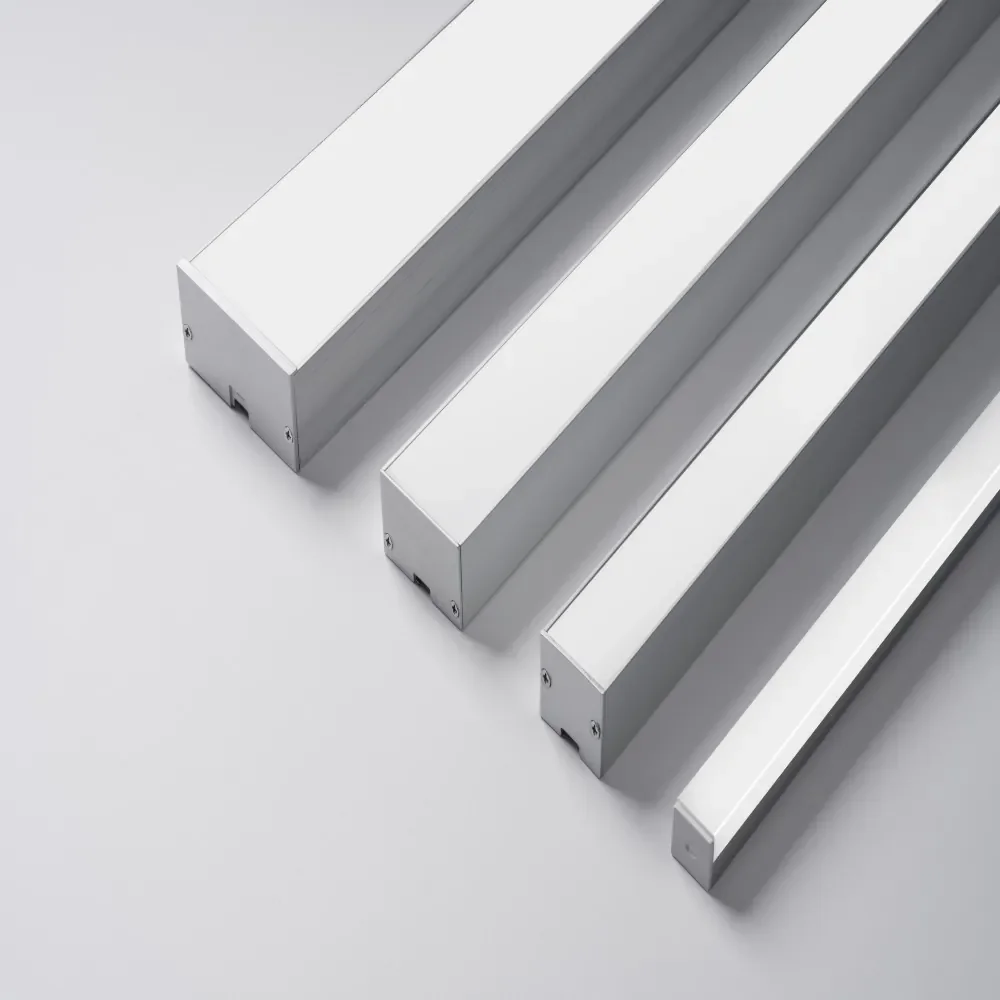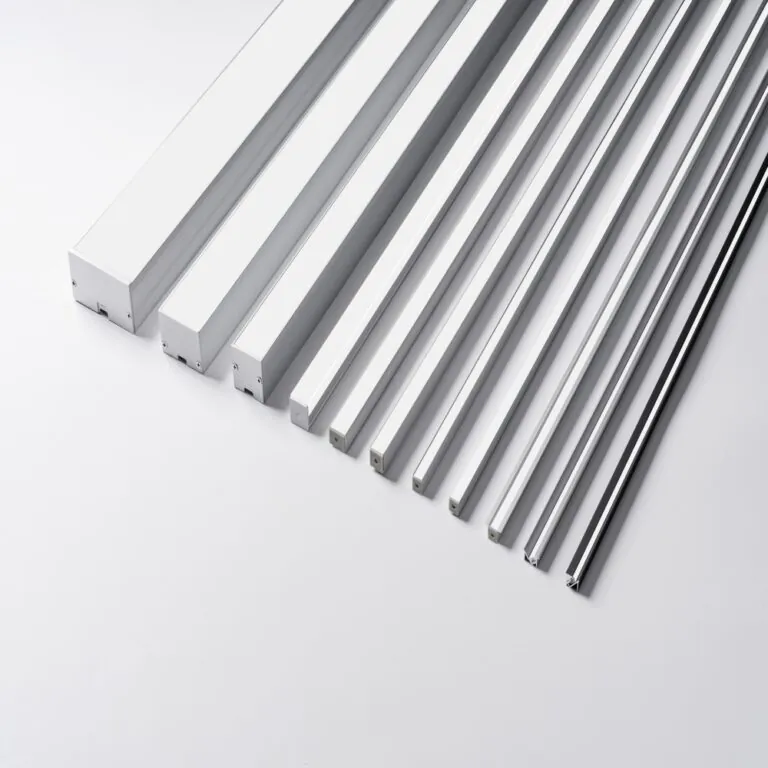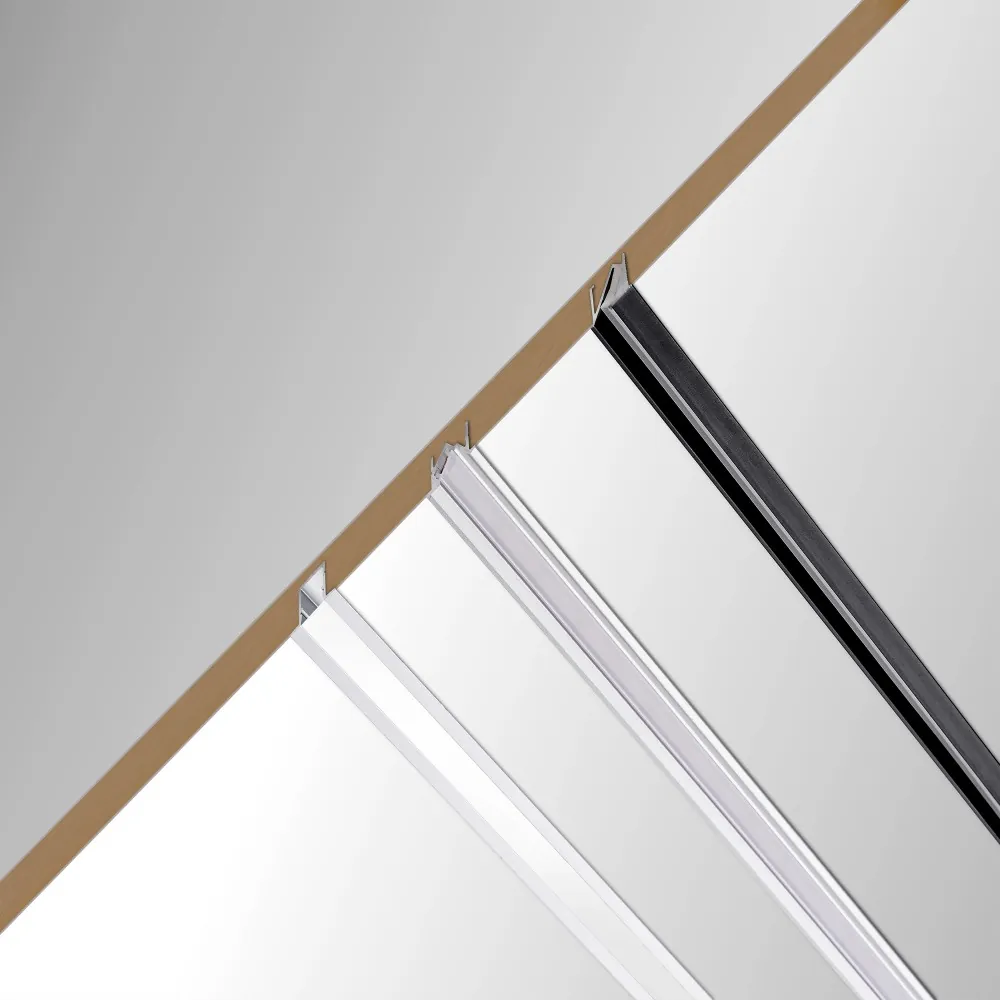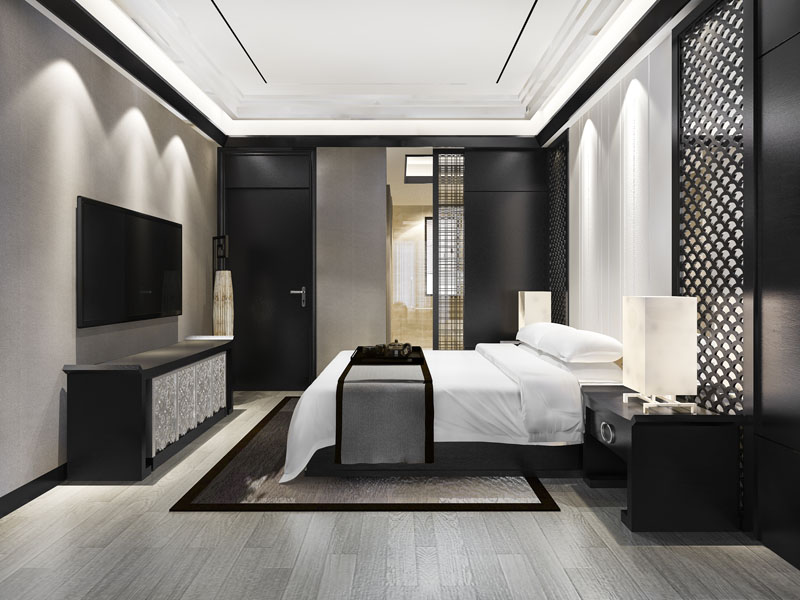
LED lighting installed in humid locations faces a different set of challenges from indoor decorative lighting. Water vapor, condensation, and occasional water exposure can affect electrical components and reduce the stability of a lighting system if the product is not designed for these conditions.
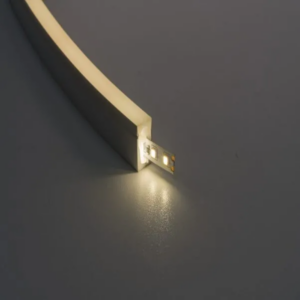
The suitability of a silicone LED strip comes from more than simply adding an outer protective layer. The material structure, sealing approach, internal components, and manufacturing consistency all influence whether the strip can continue working reliably in moisture-sensitive environments.
At Aiyu, we develop silicone LED lighting around how the products are expected to perform after installation. By integrating durability requirements with lighting design considerations throughout production, we create flexible solutions that maintain both dependable operation and visual appeal.
Moisture Exposure Changes What LED Strip Design Must Achieve
A standard LED strip is built around electronic components that require protection from external conditions. In dry indoor environments, limited exposure to moisture may not create immediate concerns. However, areas with high humidity introduce additional risks that can affect long-term operation.
Moisture can gradually reach connection points, circuit areas, or electrical components. Once water interacts with these parts, problems such as corrosion, unstable operation, or reduced lighting consistency may occur.
For this reason, lighting products used in humid environments need a structure that prevents moisture from easily reaching sensitive areas. The challenge is creating protection without reducing flexibility, light quality, or installation convenience.
A silicone LED strip is designed to address this balance. Silicone materials provide a protective enclosure while allowing the strip to maintain its flexible form, making them suitable for installations where both environmental resistance and design freedom are required.
The protection level depends on the complete construction rather than the material alone. The thickness and quality of the silicone layer, sealing method, and connection design all contribute to how well the strip handles moisture exposure.
Silicone Protection Works Through Material and Structural Design
Silicone is commonly selected for flexible LED lighting because it combines durability with adaptability. Unlike rigid protective covers, silicone can maintain protection while allowing the strip to follow curved surfaces, corners, and custom installation layouts.
The silicone structure helps isolate LED components from external moisture. In flexible lighting products, this protective layer also contributes to a smoother visual effect by diffusing light from individual LED points.
For high-moisture environments, a well-designed silicone body must create consistent coverage around the internal circuit. Uneven protection may leave vulnerable areas where moisture can enter, which is why manufacturing accuracy becomes closely connected with product reliability.
At Aiyu, our silicone flexible LED strip light solutions use silicone-based designs intended for applications requiring flexible installation and enhanced environmental protection. Different project conditions may require different product structures, so selecting the correct strip design is essential for achieving the expected result.
Beyond moisture protection, silicone construction also supports design requirements. Many architectural and decorative lighting projects require smooth, continuous illumination instead of visible LED points. The silicone diffuser effect helps create a cleaner appearance while maintaining installation flexibility.
Our Manufacturing Process Determines Protection Consistency
A moisture-resistant LED strip must perform consistently across production batches. Even high-quality materials cannot provide reliable results if manufacturing processes create differences between individual products.
We focus on controlling the production stages that influence silicone LED strip performance. Material preparation, LED component assembly, silicone forming, and final inspection all affect the finished product quality.
During silicone application, consistency is especially important. The protective material needs to properly surround the lighting components while maintaining the flexibility required for installation. Stable production methods help reduce variations that could influence moisture resistance.
Electrical testing and appearance checks are also part of our quality control process. These inspections help confirm that finished products meet expected standards before they are used in customer projects.
At Aiyu, we view manufacturing as a complete system rather than a single production step. The purpose of quality control is not only to identify defects but also to ensure that every silicone LED strip provides dependable performance when installed in demanding environments.
Where Silicone LED Strips Solve Moisture-Related Lighting Challenges
The right lighting product depends on the actual conditions of the installation location. High-moisture environments can include bathrooms, covered outdoor areas, hospitality spaces, decorative water-related features, and architectural locations affected by humidity.
In these situations, silicone LED strips provide a practical solution because they combine flexible installation with additional environmental protection. They allow designers and installers to create continuous lighting effects without relying on rigid fixtures that may limit placement options.
However, product selection should always consider the level of exposure. Areas with occasional humidity may require different solutions from locations exposed to frequent water contact. Installation methods, connectors, and power components also influence the overall reliability of the finished lighting system.
Understanding the environment before selecting a lighting product helps prevent unnecessary maintenance and replacement issues. Silicone construction provides an important advantage, but successful results depend on matching the product design with the project conditions.
High-moisture environments require LED solutions that can maintain appearance and performance despite challenging conditions. Through silicone-based construction, controlled manufacturing, and application-focused design, we at Aiyu provide flexible lighting products that help customers create reliable installations in demanding spaces. Our silicone LED strips combine protection, adaptability, and consistent illumination for projects where moisture resistance is a key requirement.