High-voltage LED strip systems are widely used in architectural outlines, commercial facades, and landscape lighting projects where stable long-distance power delivery is required. In outdoor environments, safety and waterproofing are the two most important considerations, especially when systems operate under rain, humidity, and temperature fluctuations.
In our engineering practice at Aiyu, we often evaluate installation scenarios before recommending solutions such as high voltage led strip lights, ensuring that insulation structure, sealing grade, and installation methods match real project conditions.
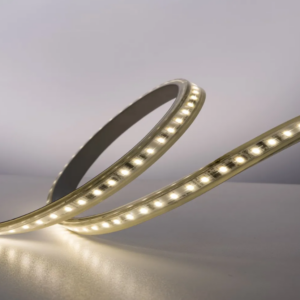
Outdoor Electrical Stability in high voltage led strip lights
When designing outdoor lighting systems, we focus on how current is distributed along long runs. high voltage led strip lights reduce voltage drop compared with low-voltage alternatives, which makes them suitable for building outlines and large-area installations.
However, higher voltage also requires stricter insulation control. We typically evaluate PVC encapsulation quality, rectifier stability, and connector sealing to reduce exposure risks in humid or rainy conditions.
Waterproof Structure Design in Linear Systems
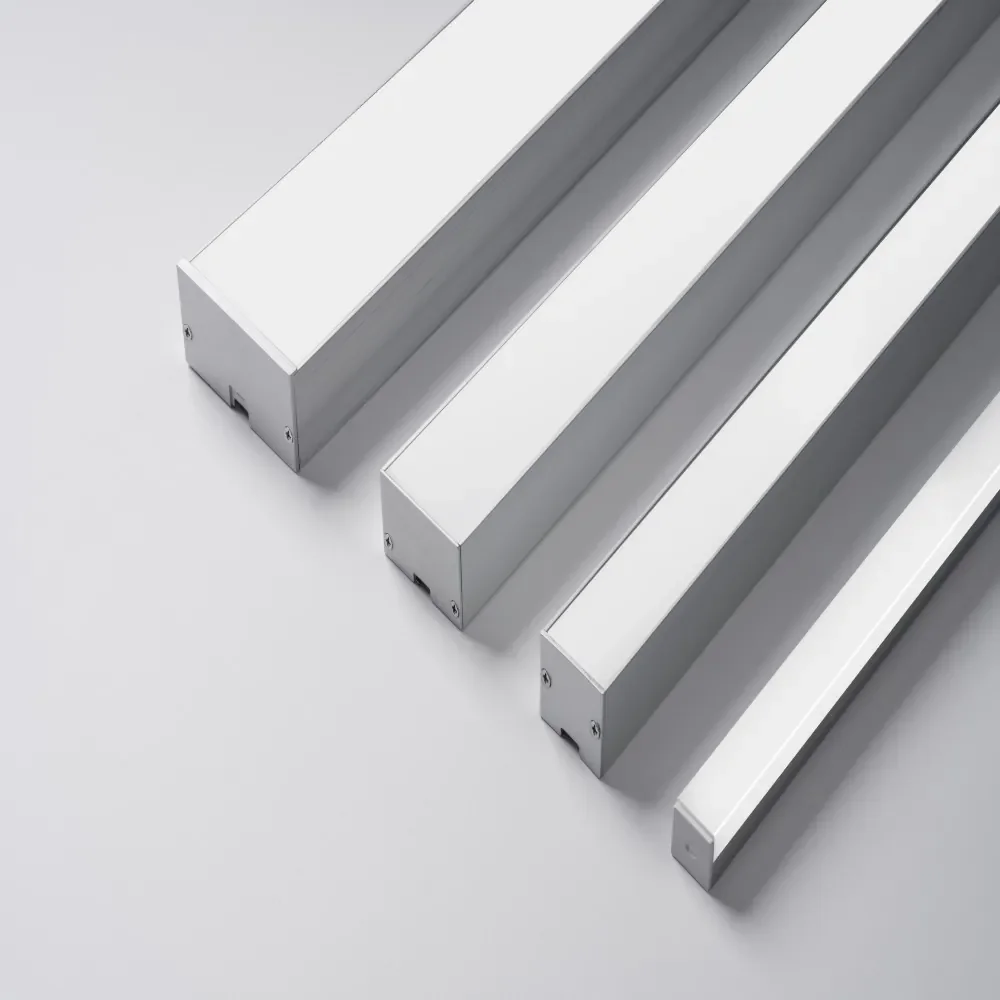
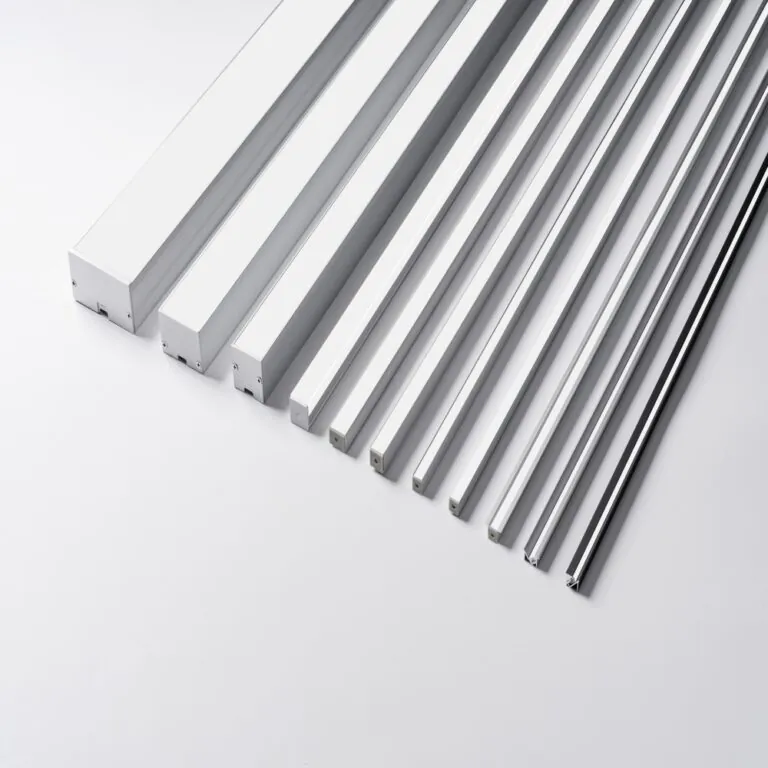
For outdoor projects, sealing performance determines long-term stability. led linear lighting fixtures used in façade or pathway lighting are commonly designed with IP65 or higher protection levels. This means protection against water jets and dust intrusion under standard testing conditions.
In our production system, sealing adhesives, end caps, and extrusion covers are tested under repeated thermal cycling to ensure consistent waterproof performance.
Installation Practices for Outdoor Environments
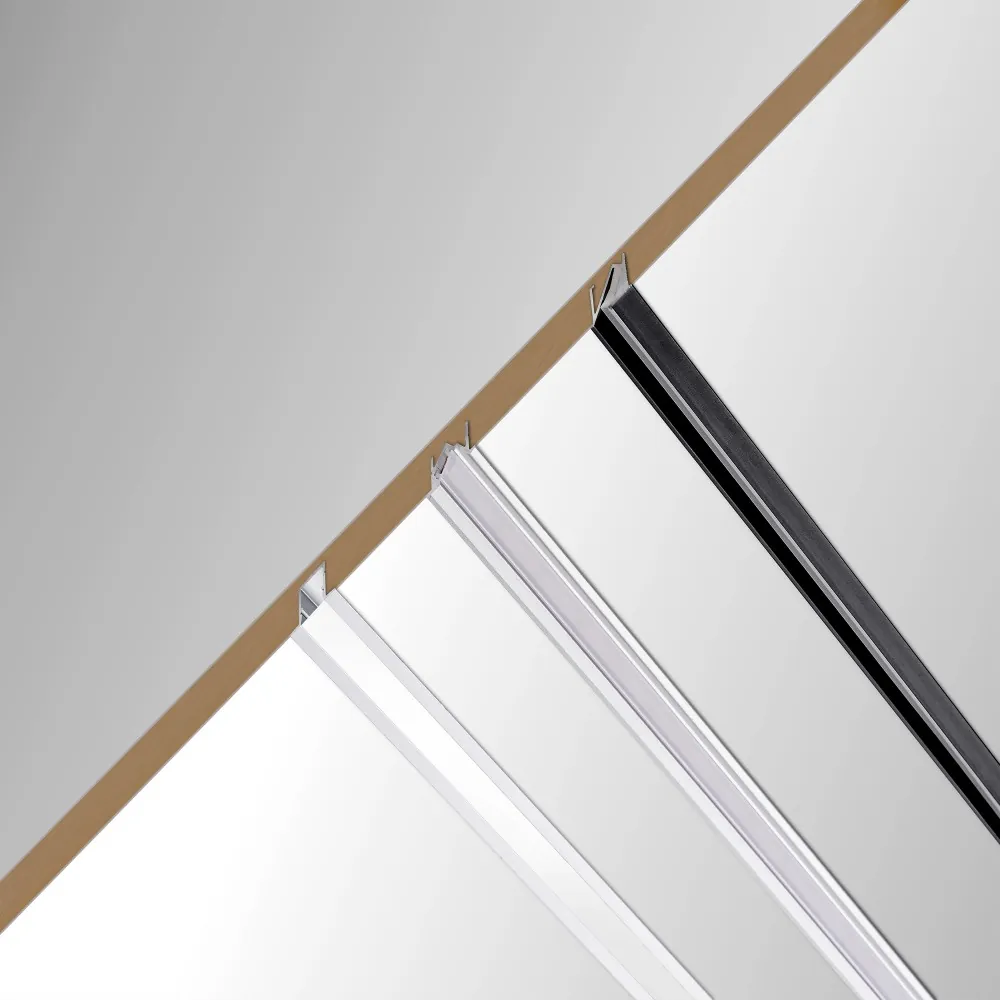
Correct installation plays a major role in safety performance. When using high voltage led strip lights, we recommend avoiding direct ground contact and ensuring mounting channels have drainage space. Aluminum profiles are often used to improve heat dissipation and mechanical protection. In addition, proper spacing between fixing clips helps reduce stress on solder joints during thermal expansion.
Structural Reliability of Linear Lighting Systems
In architectural applications, led linear lighting fixtures must maintain both visual continuity and mechanical stability. Our engineering approach considers vibration resistance, especially in elevated installations such as building outlines or canopy edges. The internal PCB layout and solder quality directly influence how well the system performs under continuous outdoor exposure.
Waterproofing Grades and Material Selection
Waterproof classification is not only a label but a structural requirement. In many outdoor projects, we integrate silicone sealing layers, reinforced end caps, and UV-resistant covers. These measures help ensure that high voltage led strip lights maintain stable operation even in regions with high rainfall or coastal humidity. Material aging tests are also used to simulate long-term exposure.
Product Structure Example and Practical Application
A practical example from our production line is the AY2835-100D 220V 8mm IP65 10cm cut model. This product uses a compact 8mm board design with IP65 protection and a 10cm cutting interval, allowing flexible installation in customized architectural layouts. It reflects how led linear lighting fixtures can be adapted for both straight-line and segmented installation requirements in real projects.
Thermal Management and Electrical Protection
Outdoor lighting systems generate continuous heat during operation. For high voltage led strip lights, heat dissipation is managed through aluminum mounting channels and airflow spacing. At the same time, internal rectifier components are selected based on load stability to reduce flicker risk and maintain consistent brightness across long-distance installations.
Environmental Adaptability in Real Projects
Different outdoor environments require different protection strategies. Coastal areas demand stronger anti-corrosion coatings, while inland regions may focus more on dust and temperature variation resistance. In both cases, led linear lighting fixtures are selected based on project-specific environmental stress factors rather than a one-size-fits-all approach.
Maintenance and Long-Term Operation
Maintenance planning is often overlooked during early design stages. For high voltage led strip lights, we recommend periodic inspection of connection points and waterproof seals to ensure continued safety. Modular installation design also allows partial replacement instead of full-system disassembly, reducing long-term maintenance cost for commercial users.
System Integration in Engineering Projects
In commercial lighting engineering, integration with power systems and control modules is essential. Our solutions combine driver stability, surge protection, and structured cabling to support stable operation of led linear lighting fixtures across large-scale installations. This system-level thinking helps reduce failure points and improves operational predictability.
Safety Considerations in Real Use Scenarios
Outdoor electrical safety depends on both product design and installation discipline. When using high voltage led strip lights, grounding, insulation distance, and waterproof connectors must all be properly implemented.
We always emphasize matching product specifications with real environmental conditions rather than relying on nominal ratings alone. Proper cable routing, secure sealing, and regular inspection also help maintain stable performance throughout long-term outdoor operation.
Conclusion: Balancing Safety, Design, and Waterproofing
Outdoor lighting safety is not defined by a single factor but by the combined performance of structure, sealing, and installation quality. Through engineered waterproofing systems, material selection, and controlled manufacturing processes, led linear lighting fixtures and high-voltage strip systems can operate reliably in diverse outdoor environments.
At Aiyu, we focus on aligning product design with real engineering conditions, ensuring each solution supports practical and stable outdoor application requirements.