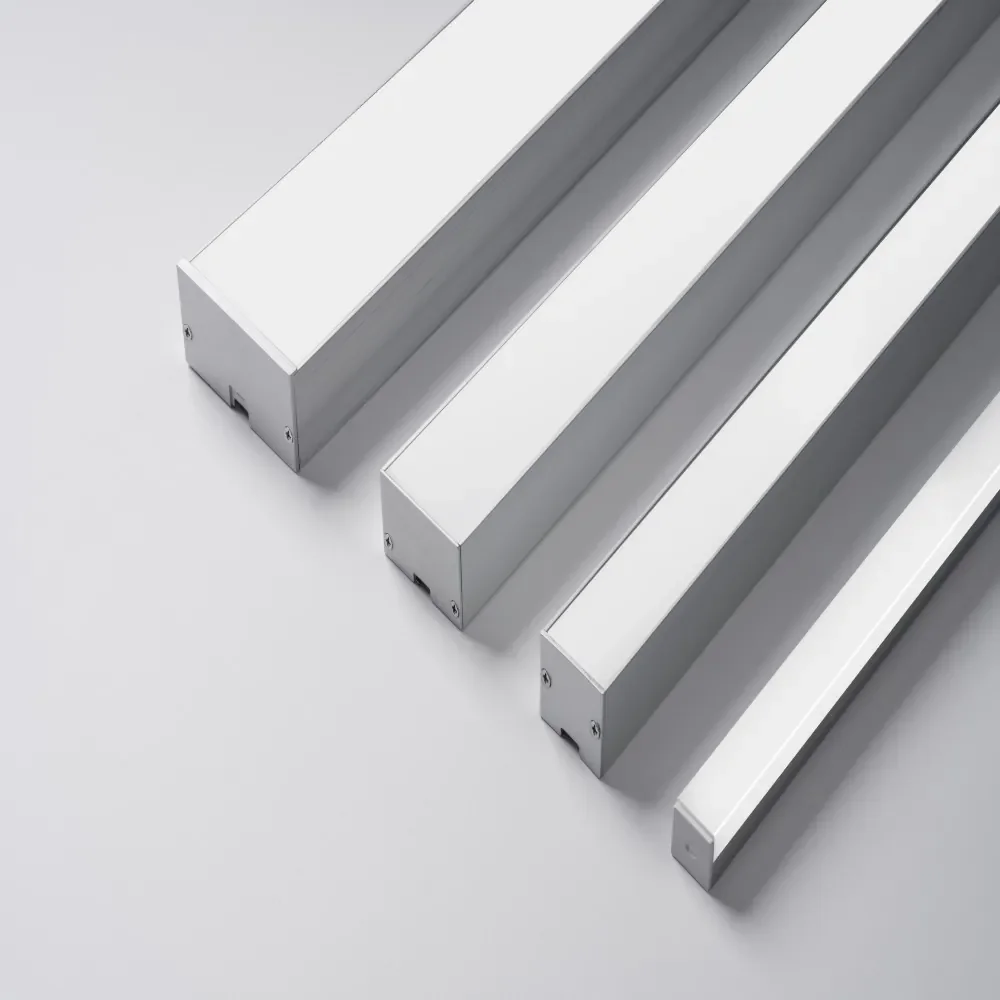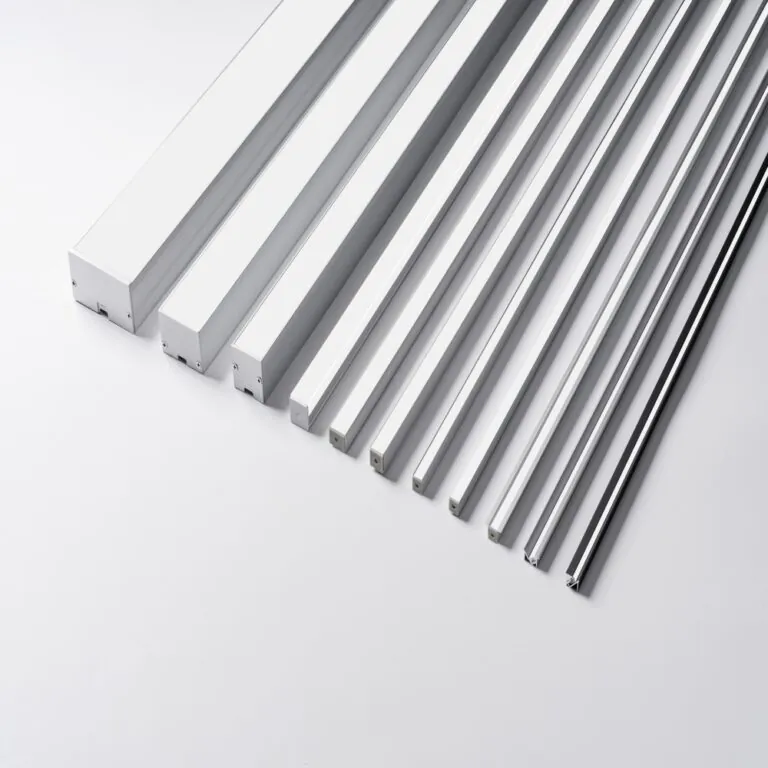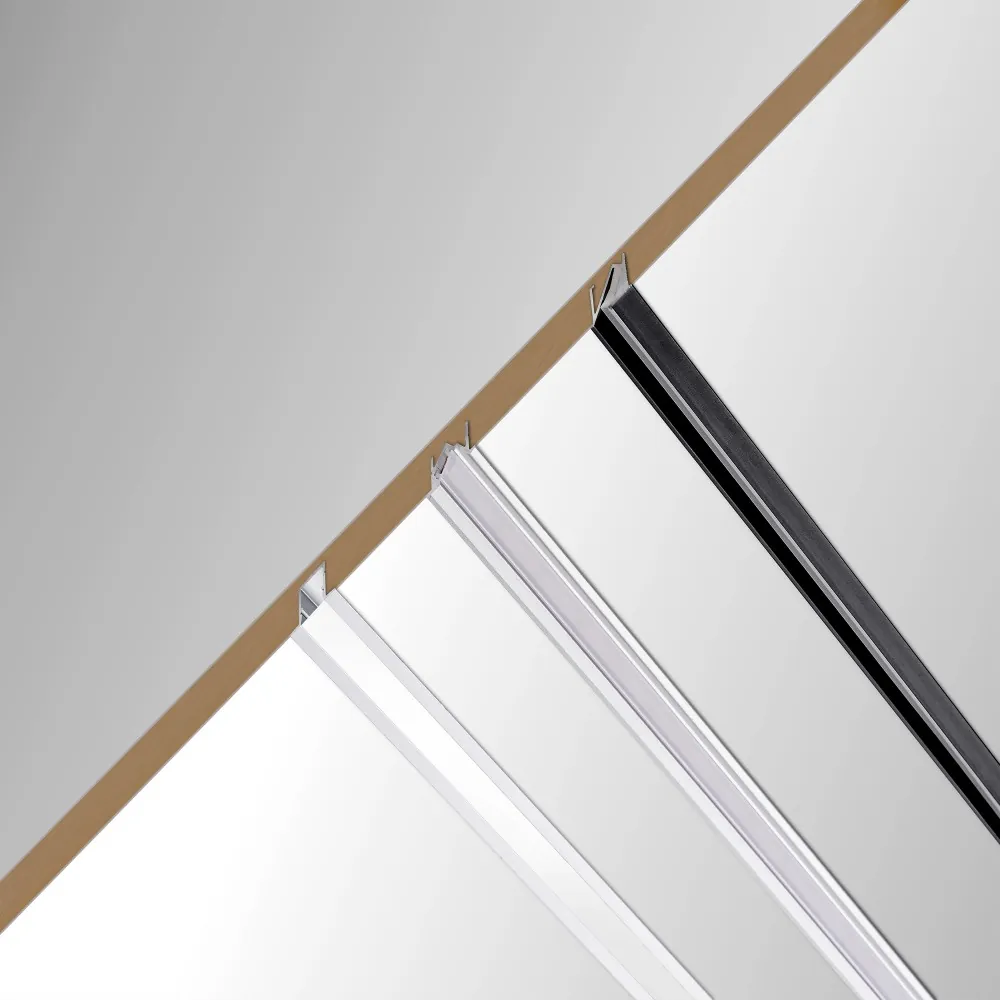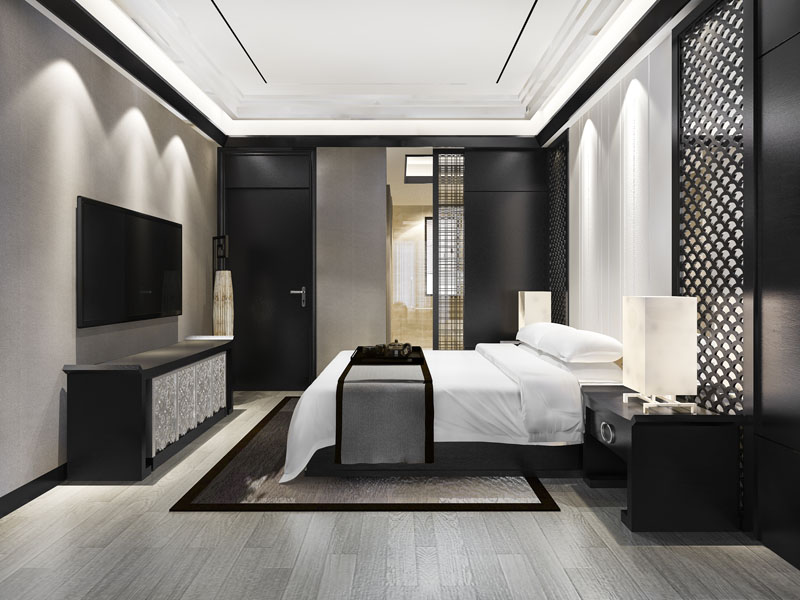
When sourcing lighting products for engineering projects, procurement teams often evaluate electrical stability, certification compliance, and installation efficiency before making decisions. In commercial lighting systems, high voltage led strip lights are widely used because they reduce the need for external drivers and simplify long-distance installations.
As a manufacturer focused on B2B lighting solutions, we at Aiyu Lighting provide structured options that align with project-level requirements across hotel, architectural, and infrastructure applications.
Understanding Certification in High Voltage Systems
Certification is a key factor in selecting high voltage led strip lights for commercial use. Standards such as CE and RoHS are commonly referenced in international procurement because they relate to electrical safety and environmental compliance. In practice, buyers often compare certified products with uncertified alternatives to reduce installation risks and long-term maintenance issues.
At our company, led linear lighting fixtures are developed under controlled production environments with standardized testing procedures. This approach helps ensure consistent electrical performance across different batches, especially for long-run installations used in corridors, façades, and large-scale interior lighting projects.
Application Scenarios in Commercial Projects
In real engineering environments, led linear lighting fixtures are often selected for architectural continuity and visual uniformity. They are commonly applied in retail spaces, hotel corridors, and outdoor perimeter lighting systems where consistent linear illumination is required.
For outdoor engineering use, high voltage led strip lights are particularly suitable for long-distance runs because they can operate with fewer power injection points. This makes them practical for façade outlines and large structural lighting where wiring complexity needs to be reduced while maintaining stable brightness distribution.
Product Structure and Technical Considerations
When evaluating led linear lighting fixtures, engineers usually examine the internal LED arrangement, heat dissipation structure, and waterproof rating. These factors directly influence service life and performance stability in variable environments.
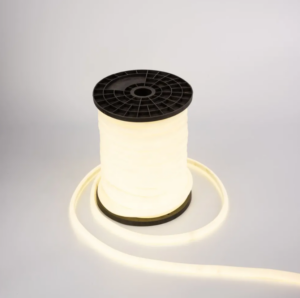
A relevant example from our product line is the AY Round Strip Light 360° Φ16 220V IP65 1M Cut model. It is designed for flexible installation in architectural lighting, featuring a circular light emission structure and IP65 protection, which supports outdoor usage scenarios such as building outlines and decorative perimeter lighting systems.
In addition, high voltage led strip lights used in this type of configuration are typically designed to support direct AC input, reducing the need for additional low-voltage conversion equipment. This structure is often preferred in large-scale commercial projects where installation efficiency is a priority.
Procurement Channels and Supplier Evaluation
When deciding where to purchase high voltage led strip lights, procurement teams generally consider manufacturer capability, production scale, and customization support. Direct cooperation with manufacturers is often preferred in B2B projects because it allows better control over specifications and delivery timelines.
As part of our production system, led linear lighting fixtures are manufactured using automated production lines that support both standard and customized requirements. This allows us to respond to different project needs, including length customization, waterproof level adjustment, and installation accessory integration.
For international buyers, sourcing directly from certified manufacturers like us also helps ensure consistency in high voltage led strip lights, particularly for projects that require stable long-term supply and technical documentation support.
Installation Efficiency and System Integration
In practical installation scenarios, led linear lighting fixtures are often integrated into larger electrical systems, including building automation and centralized lighting control. Their modular structure makes them suitable for both retrofit and new construction projects.
We also consider wiring routes, mounting methods, and compatibility with dimming or intelligent control systems during the design stage, helping contractors coordinate lighting installation with other building services more efficiently.
Meanwhile, high voltage led strip lights reduce the need for multiple transformers, which simplifies system architecture. This can be particularly useful in projects where installation space is limited or where maintenance access is difficult, such as suspended ceilings or outdoor architectural edges.
Longer continuous runs can also reduce the number of power supply locations, contributing to a cleaner installation layout and making future inspection and maintenance more convenient for facility management teams.
Maintenance and Long-Term Operation
From a lifecycle perspective, high voltage led strip lights are typically evaluated based on durability, heat resistance, and electrical stability over time. Regular inspection and proper installation practices can help maintain consistent performance in commercial environments.
Our led linear lighting fixtures are designed with maintenance accessibility in mind, allowing replacement or adjustment without extensive structural disassembly. This is particularly important for hospitality and retail environments where operational downtime must be minimized.
Conclusion: Choosing a Reliable Source for Commercial Lighting Projects
In B2B lighting procurement, selecting reliable suppliers of high voltage led strip lights requires attention to certification, production capability, and application suitability. Working directly with manufacturers can improve consistency across project phases, from design to installation.
At Aiyu, our led linear lighting fixtures are developed to support structured engineering requirements across different commercial scenarios. By combining standardized production with flexible customization, we aim to provide lighting solutions that align with practical project demands rather than isolated product specifications.