In commercial interior planning, lighting is not only a functional requirement but also a structural element that shapes perception of space. Modern architects often integrate continuous lighting lines to guide visual flow and define zones without physical barriers.
In this context, we at Aiyu develop lighting solutions that help designers balance illumination, material expression, and spatial rhythm in retail, hospitality, and office environments.
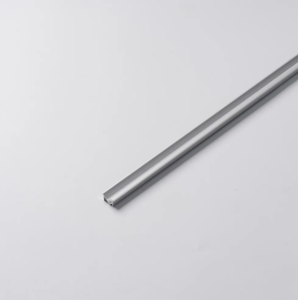
Commercial Spatial Lighting Logic with linear light fixture
A well-planned lighting layout often relies on repetition and direction to create order within open spaces. A linear light fixture can support this logic by forming consistent visual lines that align with ceilings, walls, or architectural joints. In commercial projects, we use this type of structure to help reduce visual fragmentation and support a more coherent spatial reading.
From our engineering experience, a linear light fixture is commonly used in corridors and open-plan areas where directional guidance is needed. By embedding it into architectural edges, designers can subtly lead movement while maintaining a clean visual environment that supports commercial functionality.
Visual Flow and Architectural Continuity
In retail and exhibition spaces, visual continuity is essential for guiding customer movement. Lighting plays a role similar to architectural framing, connecting different zones without interrupting sightlines. A linear light fixture helps extend visual lines across surfaces, allowing ceilings and walls to feel more unified.
We often observe that consistent lighting direction reduces perceived spatial breaks. When integrated properly, a linear light fixture supports architectural rhythm, especially in long corridors or large commercial halls where continuity influences user comfort and navigation.
Material Perception and Surface Enhancement
Lighting also affects how materials are perceived in commercial environments. Reflective surfaces such as metal, stone, or treated wood respond differently under continuous illumination. A linear light fixture can highlight texture depth without creating harsh contrast or uneven brightness.
In our lighting planning practice, we consider how light interacts with finishes at different viewing angles. By using controlled diffusion, a linear light fixture helps reveal surface detail while maintaining visual softness, which is particularly important in hospitality and premium retail interiors.
Product Application in Aiyu Lighting Systems
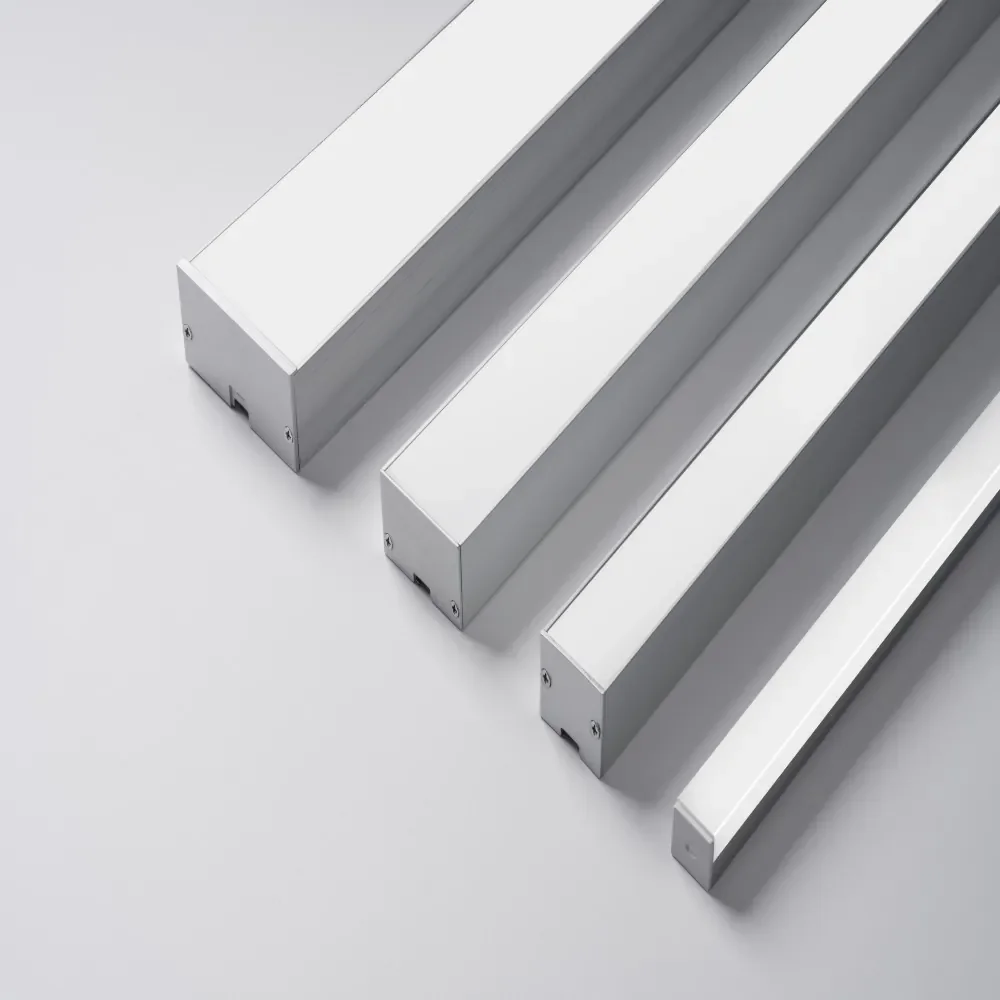
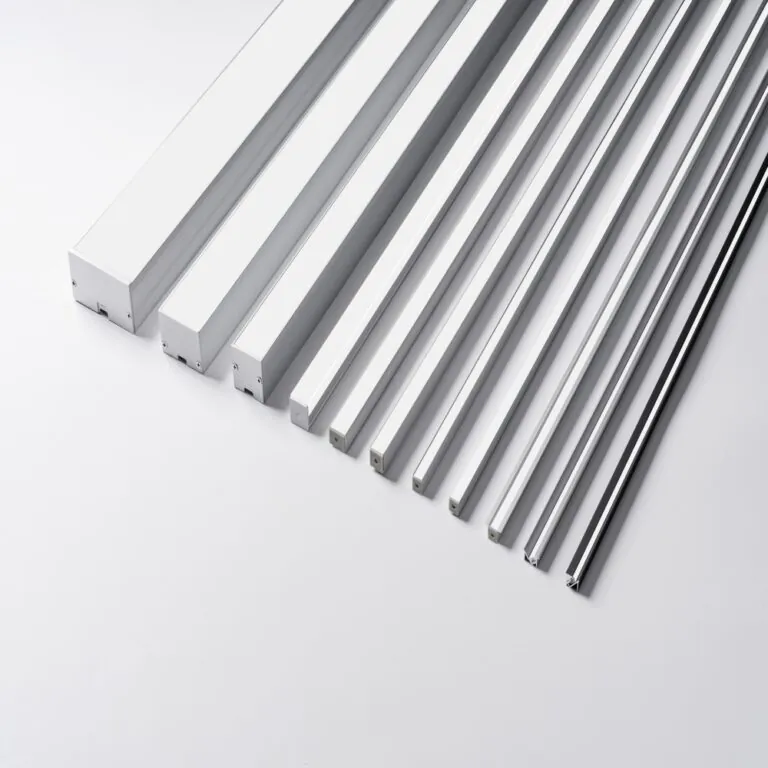
Within our product development, we provide solutions designed for modular installation and flexible project adaptation. One example is our AY linear lighting strip (12V/24V), which features a 10*10 profile with a 45-degree beam angle. This configuration supports directional lighting for edge detailing and concealed installation scenarios.
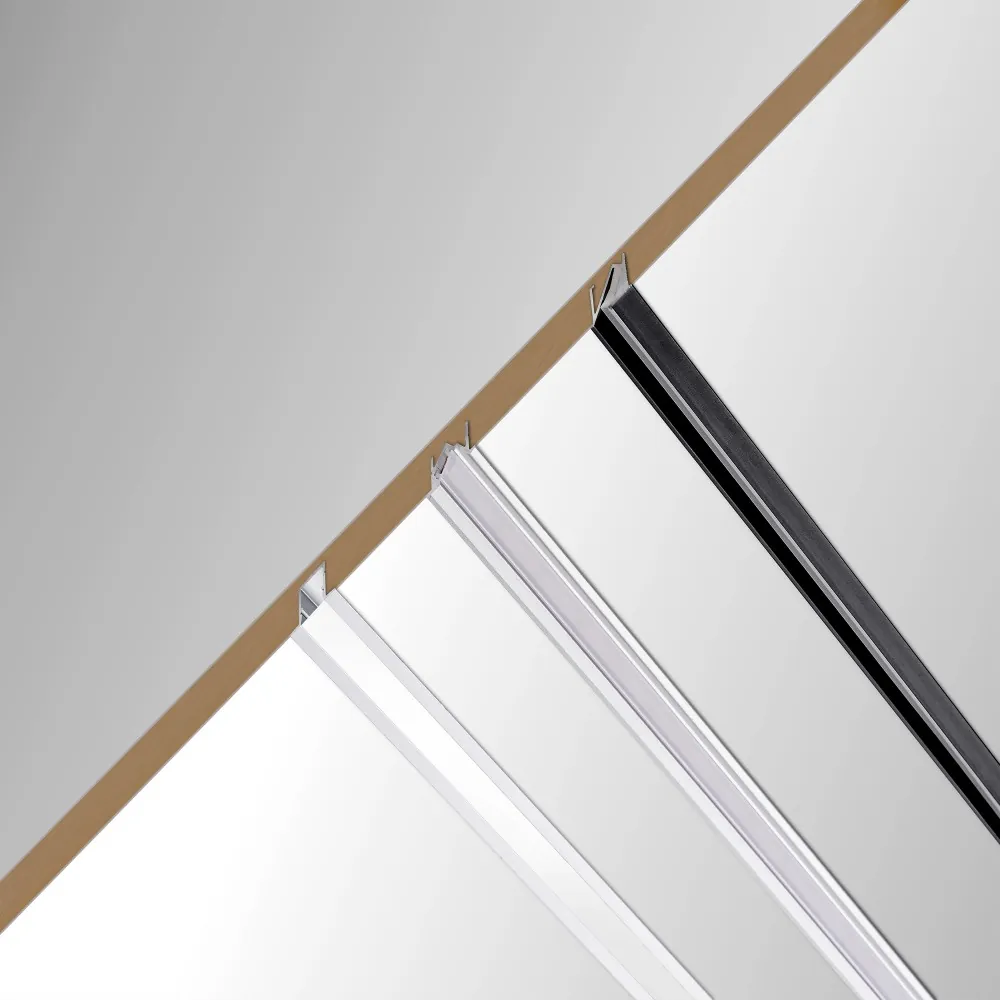
In many engineering projects, a linear light fixture based on this structure is applied in cabinet outlines, ceiling grooves, and wall transitions. It allows designers to maintain clean architectural lines while ensuring consistent brightness distribution across different installation environments.
Beam Angle and Light Distribution Design
Beam control is a key factor in achieving balanced spatial lighting. A narrow or medium beam angle can define edges, while a wider spread supports ambient brightness. In commercial interiors, a linear light fixture with controlled beam direction helps reduce glare and improve visual comfort.
We design optical structures that distribute light evenly along the length of the fixture. A linear light fixture with a 45-degree beam angle can support both accent lighting and functional illumination, depending on installation height and spacing.
12V 24V System Flexibility in Projects
Different commercial projects require different electrical planning standards. Low-voltage systems such as 12V and 24V provide flexibility in installation, especially for modular furniture lighting or decorative architectural lines. A linear light fixture designed for these voltages can be integrated into both new construction and renovation projects.
At Aiyu, we consider wiring safety, voltage stability, and compatibility with control systems. A linear light fixture operating under these conditions supports long-term use in environments such as hotels and commercial complexes.
Hotel and Retail Environment Scenarios
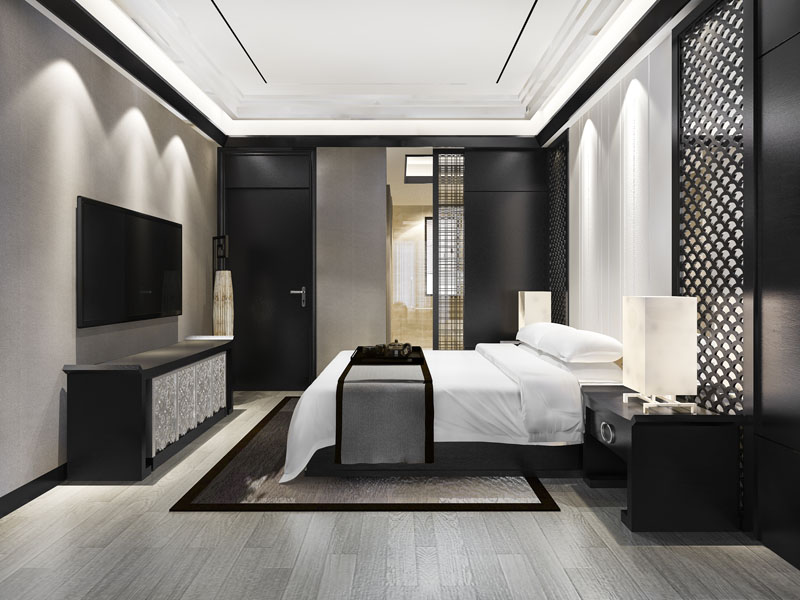
In hotel lobbies and retail stores, lighting often contributes to brand identity and atmosphere. Instead of relying on single-point illumination, designers use continuous light lines to create layered spatial impressions. A linear light fixture helps define reception desks, product shelves, and ceiling contours.
We have seen that a linear light fixture can also support zoning in open retail layouts, allowing different product categories to be visually separated without physical partitions. This approach maintains openness while improving spatial organization.
Installation and Maintenance Considerations
Practical installation is an important factor in commercial lighting systems. Maintenance access, mounting structure, and heat management all influence long-term performance. A linear light fixture designed with modular components simplifies replacement and reduces downtime during servicing.
Our engineering approach focuses on ensuring that wiring and connection points remain accessible. A linear light fixture used in concealed installations must still allow efficient inspection, especially in large-scale commercial facilities where continuous operation is required.
Conclusion: Spatial Aesthetic Value in Practice
Commercial environments rely on lighting to shape both function and perception. Continuous light structures help define movement, enhance material texture, and support spatial hierarchy. When applied thoughtfully, lighting becomes part of the architectural composition rather than an accessory.
Through our system design and product development, we provide solutions that align with these requirements. A linear light fixture plays a practical role in achieving balanced illumination while supporting the visual identity of commercial spaces, especially when integrated with modular and low-voltage lighting systems.