We support OEM customers with technical assistance across design, validation, and production stages for high voltage led strip lights. At Aiyu, we combine LED strip manufacturing experience with engineering knowledge to help B2B clients adapt lighting systems for voltage stability, installation needs, and long-distance power delivery.
OEM Requirement Review and Project Feasibility Check
At the beginning of every OEM cooperation, we evaluate application scenarios, installation length, and load conditions. We also review whether high voltage led strip lights are suitable for the environment compared with low-voltage alternatives.
This step helps reduce mismatch risks in outdoor lighting, hotel projects, and engineering lighting systems. We clarify wiring layout, control method, and expected usage duration before confirming design direction.
Electrical Safety and Compliance Coordination
For engineering projects, electrical safety planning is a key stage. We align OEM requirements with certification frameworks such as CE and RoHS to ensure compliance consistency.
During this stage, we assess insulation structure, current stability, and heat distribution design. Our engineering team also provides guidance on surge protection and long-distance voltage drop considerations, especially in continuous installation environments.
Structural Design and Material Optimization
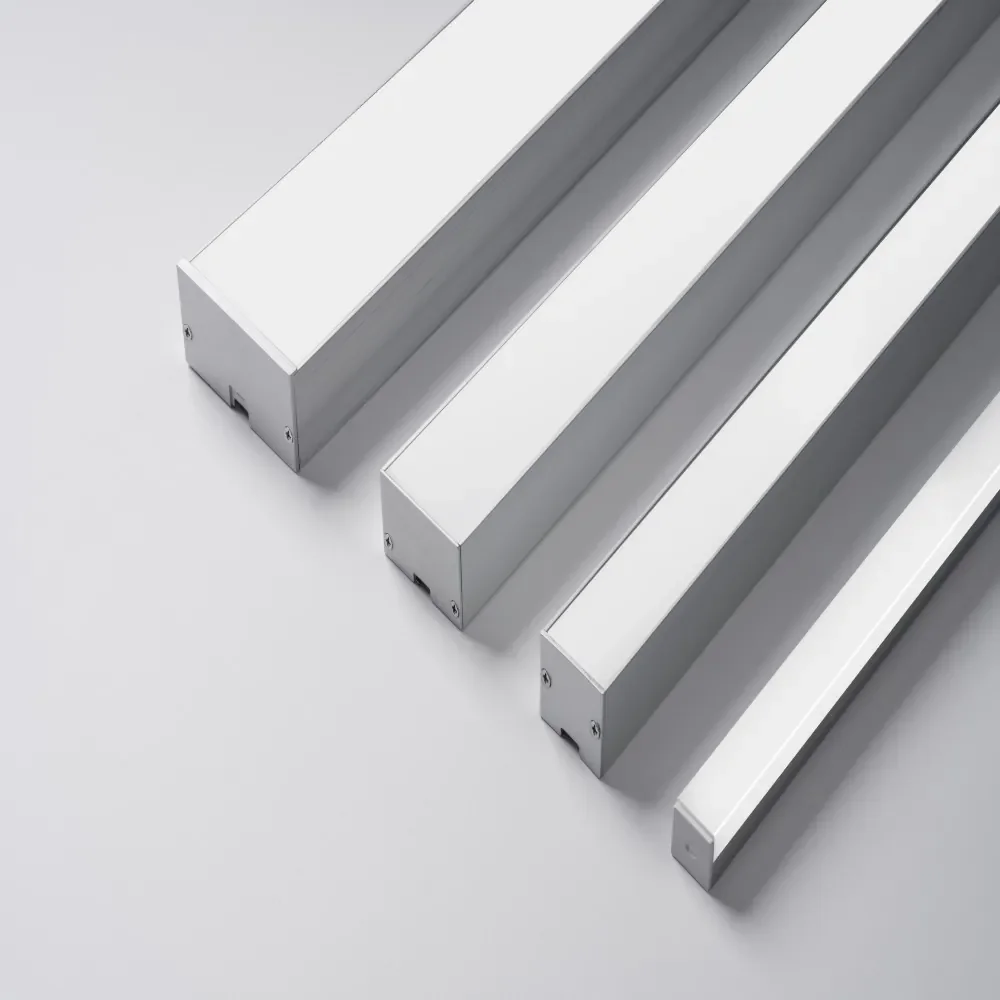
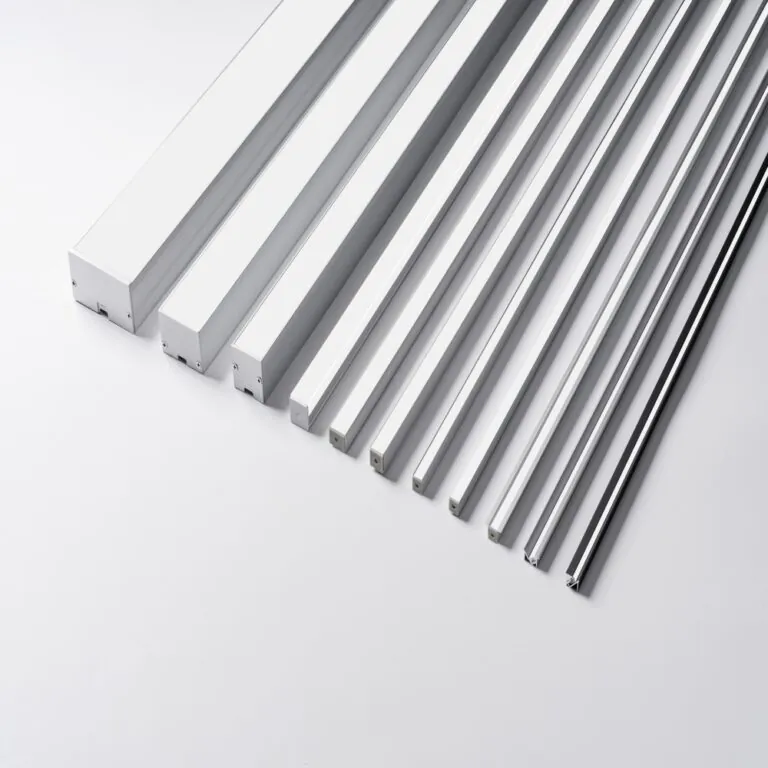
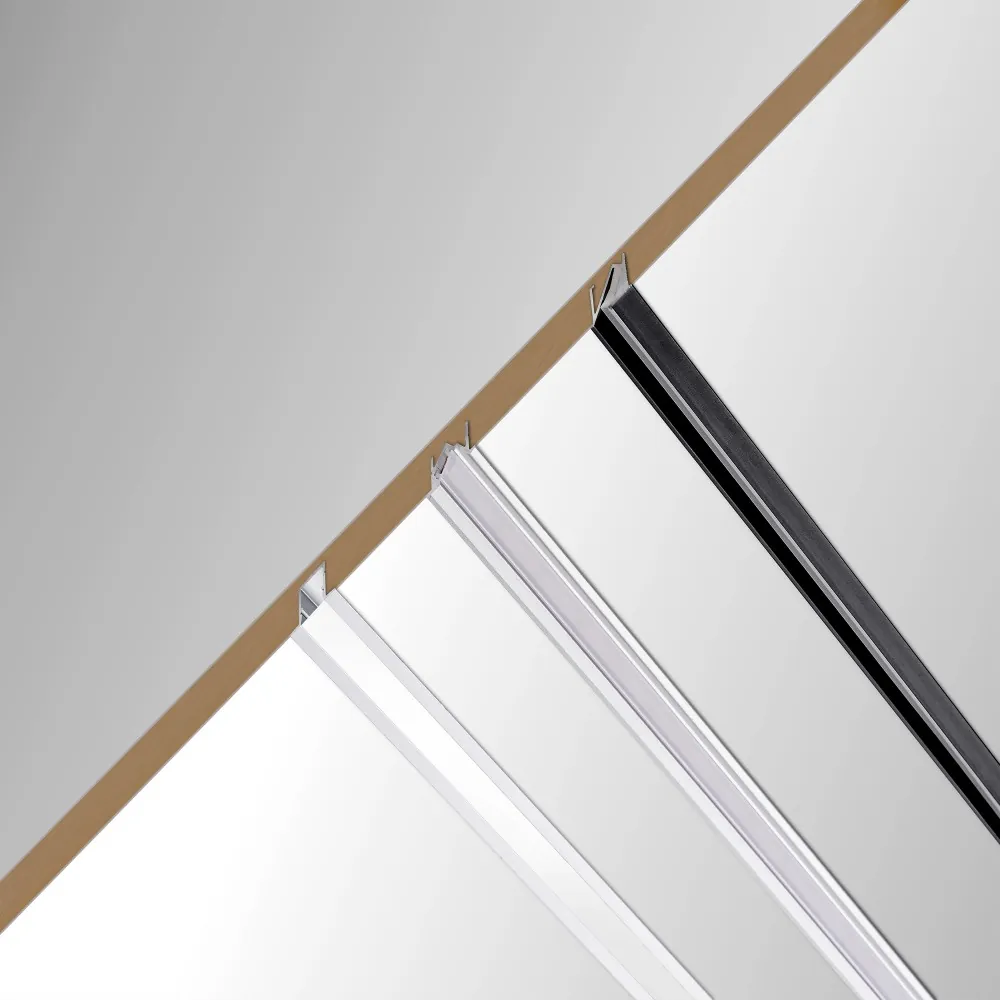
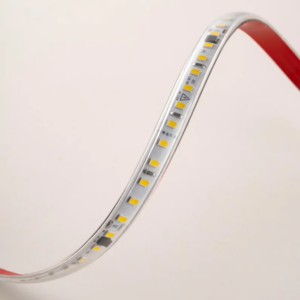
We adjust PCB width, copper thickness, and adhesive backing based on project needs. For example, products similar to our AY2835-120D-10MM gum-type LED strip (reference model from our product line) are often used as a structural baseline for OEM customization. These designs allow flexible installation in aluminum profiles, architectural channels, and decorative lighting systems while maintaining stable optical output.
Substrate Engineering and Optical Consistency
We focus on ensuring consistent brightness across long runs by optimizing LED binning and circuit layout. During OEM customization, we evaluate spacing uniformity and luminous efficiency to maintain visual continuity.
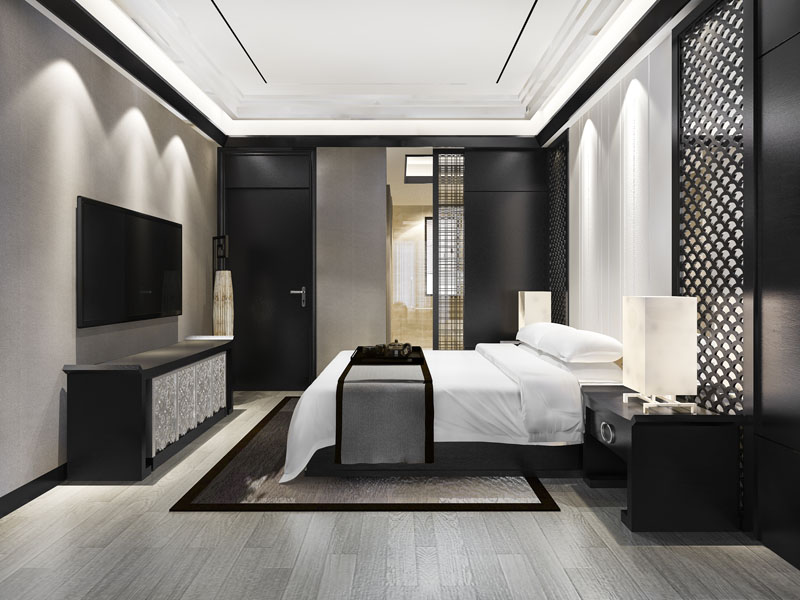
This step is particularly important in commercial lighting environments such as corridors, retail ceilings, and outdoor façade outlines where uneven light distribution can affect overall perception.
High Voltage Led Strip Lights OEM Technical Architecture Support
At the architecture level, we provide circuit topology recommendations for high voltage led strip lights systems used in long-distance installations. This includes guidance on rectification modules, segment design, and parallel connection stability. We also help OEM clients determine whether single-end or double-end power input is more suitable for their project scale and layout constraints.
Production Line Adaptation and Manufacturing Support
Once the design is confirmed, we adjust production line parameters for OEM specifications. Our automated production system supports different PCB thicknesses, LED arrangements, and adhesive types. We also coordinate SMT placement accuracy and aging test cycles to ensure batch consistency. This helps maintain stable output across large-volume engineering orders.
Testing and Reliability Verification Process
We conduct multiple verification steps including temperature rise testing, voltage fluctuation testing, and continuous aging tests. These procedures help identify potential instability in long-hour operation scenarios. For outdoor or semi-outdoor installations, we also simulate humidity and dust exposure conditions to evaluate durability performance under real-world environments.
Packaging, Installation Guidance and Project Delivery
We provide installation guidelines tailored to OEM project requirements, including wiring diagrams and segment connection instructions. Packaging solutions can also be adjusted for export logistics, including coil length, anti-static protection, and labeling customization.
This ensures that contractors and distributors can install products efficiently without additional modification on-site. For international shipments, we also consider carton strength, moisture protection, and pallet arrangement to help reduce transportation risks and simplify warehouse handling after arrival.
Clear product identification and installation documentation further improve project coordination and reduce communication during onsite deployment.
Quality Control and Batch Consistency Management
Each OEM batch goes through standardized quality inspection to ensure consistent brightness, color temperature alignment, and structural integrity. We also perform sampling audits across production lots to reduce deviation risks.
This process is essential for large-scale lighting projects where uniform appearance is required across multiple installation zones. In addition, electrical performance, soldering quality, and visual inspection are conducted according to established procedures before shipment.
Maintaining stable production standards helps contractors achieve consistent lighting effects across different project phases without noticeable variation between batches.
Engineering Feedback and Continuous Optimization
After delivery, we collect feedback from OEM partners regarding installation experience and operational stability. This information is used to refine circuit design, material selection, and assembly procedures.
Over time, this iterative process helps improve system reliability and supports evolving project requirements in different markets. We also review recurring technical questions from installers and project managers to improve future documentation and product configurations.
By combining manufacturing experience with practical engineering feedback, we continue optimizing our lighting solutions for long-term commercial applications.
Conclusion: Integrated Technical Support for OEM Lighting Systems
In OEM engineering projects, technical support is not limited to product delivery but extends across design coordination, testing, and production alignment.
For high voltage led strip lights, we provide structured assistance covering feasibility analysis, architecture design, manufacturing adaptation, and long-term optimization.
At Aiyu, we aim to support B2B clients with practical engineering solutions that align with real installation conditions and project-scale requirements.